Roadmap is Set. Now, Cardio or Strength Training?
In my last post, I described a basic roadmap of where I’m taking this blog. So now that we’re on track for setting up a home gym and ditching the regular gym, we need to define you’re focus.
If you’re new to fitness, you’ve probably heard a million different opinions:
“Do more cardio to lose weight.”
“Strength training is the only way to build your dream body.”
“Just walk – don’t overcomplicate it.”
But which is actually right for you? Should cardio be your main priority? Or should strength training? Well, let’s break it down in a way that’s simple, realistic, and easy to apply.
Quick Recommendation: No matter what you do, when you push your body to its limits, it’s going to need recovery time. Soreness and stiffness are practically guarantees, especially for beginners and those getting back into it. Trust me, it’s definitely not a fun time.
But that’s exactly why I recommend getting a massage gun. Something like the Hyperice Hypervolt 2 can help improve your recovery process to get you back in full capacity quicker. The Hyperice Hypervolt 2 Pro does it just a bit better with it’s two added speeds on top of what the original has while the Hyperice Hypervolt Go 2 is easier to take with you whenever and wherever you need it.
Key Takeaways
- Cardio = heart health + calorie burn + endurance. Great for overall health and energy.
- Strength training = muscle + strength + body shape. Essential for long-term health and fat loss.
- Best results = a mix of both. Aim for 2-3 strength sessions and 2-3 cardio sessions weekly.
- Start small and stay consistent. Pick activities you enjoy and build from there.
What Cardio Does for You (and What It Doesn’t)
Cardio, or cardiovascular exercise as it’s formally called, basically means anything that gets your heart rate up and keeps it up. Think walking, jogging, cycling, jump rope, dancing, or even following along to a YouTube workout.
Pros:
- Heart health: Cardio strengthens your heart and lungs, reducing your risk of heart disease.
- Calorie burn: It helps you burn energy quickly, which can assist with weight management.
- Mood boost: Activities like brisk walking or dancing release endorphins, which fight stress and boost your mood.
- Accessibility: You don’t need fancy equipment – just your body and maybe some good shoes.
Cons:
- It doesn’t build much muscle. You’ll likely lose weight, but that could end up being muscle you’re losing alongside the fat. You’d need to include strength training if you want to minimize the muscle loss.
- If all you do is cardio, your body shape won’t change much – you’ll be smaller, but not necessarily stronger or more defined.
Beginner example: If you’re just starting out, commit to something as simple as a 20-minute walk after dinner, three or four times a week. Add in a weekend bike ride or a quick dance session in your living room. These little steps will keep your heart healthy and your energy levels up.

If you want to see a more in depth explanation on cardio, check out my other post: Cardio: Is it ACTUALLY Necessary?. I’ve included other pros and cons, a list of various activities that you might not’ve thought could be cardio, and how to get started with it.
What Strength Training Does for You (and Why It’s My Favorite)
Strength training (also called resistance training) means challenging your muscles against some form of resistance – whether that’s dumbbells, resistance bands, your body weight, or even household objects like water jugs. Personally, I just love using free weights like barbells with weight plates and dumbbells. The classics just have a different feel for me.
Why it’s powerful:
- Builds lean muscle: Muscle is metabolically active, meaning it burns more calories at rest. More muscle = a faster metabolism.
- Changes your shape: Strength training tones your body in a way cardio alone never will. Think stronger arms, firmer legs, and a tighter core.
- Boosts daily life strength: Carrying groceries, moving furniture, climbing stairs – everyday activities are just easier.
- Supports long-term health: Lifting reduces your risk of osteoporosis, helps with blood sugar control, and improves posture.
Where strength training falls short:
- It doesn’t give you the same endurance boost cardio does. If you want to run a 5K or chase your kids around the park without gasping for air, cardio has the edge.
- Beginners sometimes feel intimidated because they think they need a gym membership or a ton of equipment (news flash: you don’t).
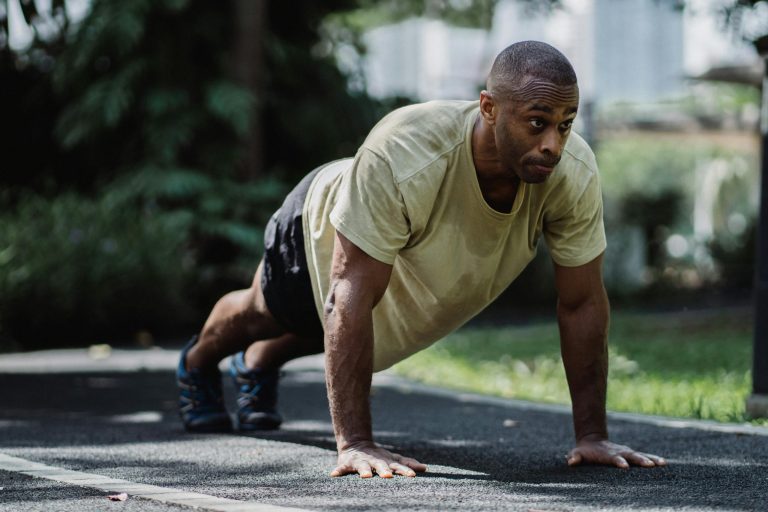
Beginner example: Start with bodyweight exercises – push-ups (on your knees if needed), squats, lunges, and planks. Do 2-3 sets of 8-12 reps, two or three times a week. If you want to add resistance, grab a set of resistance bands – they’re cheap, portable, and surprisingly effective.
Quick Recommendation: Resistance bands tend to be best for people who don’t have a lot of time for your standard workout or just don’t have the budget for it. Obviously, everyone’s situation is different but I believe that everyone should be able to achieve results on their fitness journey regardless of such circumstances.
That’s why I recommend the HPYGN Resistance Band set over and over again on this site. You can accomplish a workout for just about any muscle group you want to target and for an extremely affordable price. As I stated earlier, the HPYGN Resistance Band set is portable so essentially, it’s a whole gym in a bag. If you want to learn more about resistance bands, here’s the post I have about them: Resistance Bands 101: A Simple Way to Get Stronger Anywhere.
Want more information about strength training? Well do I have news for you. I also made a post talking all about strength training including why it’s important, pros and cons, and a sample schedule on how to start. If you want to check it out, here’s the link: Strength Training: The Best Part of Getting in Shape.
Do You Have to Choose One Over the Other?
Here’s the truth most beginners miss: You don’t have to pick one. It’s not all black and white or a yay or nay. In fact, combining both cardio and strength training gives you the best of both worlds.
Think of cardio as the foundationfor your health and strength training as the builderof your body. Together, they help you look, feel, and perform better.
A balanced beginner plan could look like this:
- 3 cardio sessions per week (20-30 minutes of brisk walking, cycling, or a fun activity).
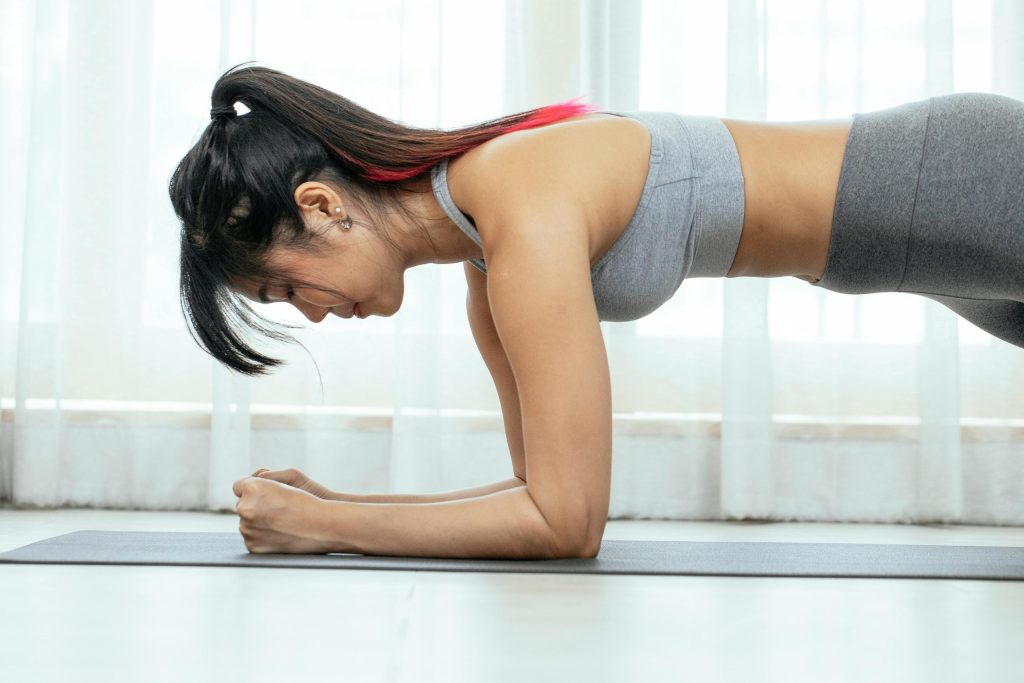
- 2-3 strength sessions per week (short workouts focusing on full-body or compound movements like squats, push-ups, rows, and planks).
- Mix and match: Try circuit training, where you alternate strength moves with short bursts of cardio (e.g., squats + 30 seconds of jump rope + push-ups + 30 seconds of jogging in place).
Why this works:
- Cardio keeps your heart healthy and burns calories.
- Strength training builds the muscle that keeps your metabolism humming and makes your body look and feel stronger.
- Together, they prevent boredom and give you more variety, which makes it easier to stick with long-term.
Tips for Staying Consistent (and Not Overwhelmed)
Starting out can feel overwhelming, but here’s how to make it manageable:
- Start small. Don’t try to work out every day right away. Begin with 3-4 days a week and build up.
- Pick things you enjoy. Hate running? Walk, bike, or dance instead. Exercise shouldn’t feel like punishment.
- Use what you have. Bodyweight, resistance bands, and even water bottles can double as weights. You don’t need a fancy home gym with all the equipment to start.
- Track progress beyond the scale. Notice how your clothes fit, how strong you feel, or how long you can keep moving without tiring out.
- Remember recovery. Rest days matter – your muscles grow stronger when you rest, not just when you train.
When you’re just getting started, it can be easy to get overwhelmed and confused on what to do or where to go. That’s why I made Get Your Mind in the Right Place to help focus your mindset on your where, why, and how, along with Progress, Patience, Consistency: How to Keep Going for helping you… well, keep going. And to not fall into certain traps along your journey. Feel free to check out those two posts as needed.
The Natural Conclusion: The Best Choice Is Both
So, strength training or cardio – what’s the answer for beginners? In all honesty, here’s what it is: you’ll get the best results when you combine both.
Cardio builds a healthy heart, burns calories, and boosts your endurance. Strength training builds muscle, reshapes your body, and keeps your metabolism strong. Neither is “better” – they’re just different pieces of the same puzzle. Two different ways of improving yourself.
But in the end, the best workout is the one you’ll actually do. So start where you are, use what you have, and focus on building small, consistent habits. Over time, cardio will keep you moving, strength training will keep you strong, and together they’ll help you feel your absolute best.