Got Enough Space for a Workout? Here’s How to Tell
Let’s address something that often gets associated with home gyms: the common image in people’s minds is a big room full of fancy equipment. That’s what a lot of people think is required for a home gym. The truth is, your fitness space can be as big or small as needed or as your lifestyle allows. Before buying a single dumbbell or yoga mat, the first step is figuring out where your workouts will happen. The good news? There’s a lot of options to choose from.
Let’s break them down and discuss how to set yourself up for success.
Quick Recommendation: No matter what equipment you decide to get, if any at all, you’ll likely face the most common problem and complaint in the world of fitness: soreness. Soreness sometimes isn’t bad and while in some cases, it can literally prevent you from doing regular tasks. The level of soreness you experience depends on various factors like how hard you trained the day or two before and if you did a cool-down.
(Check out my post on cool-downs if you’re interested in how you can do one: How a Simple Cool-Down Routine Boosts Your Fitness Results)
But there is a way to boost the recovery process: massage guns. The Hyperice Hypervolt 2 is a solid, reliable choice for a massage gun with 3 speeds and 5 interchangeable heads so that you can adjust accordingly to which areas are the worst. The Hyperice Hypervolt 2 Pro allows for a more fine-tuned experience with 2 additional speeds; but the Hyperice Hypervolt Go 2 might be more your style if you want a massage gun that’s easier to carry around with you for relief and recovery aid on the go.
Key Takeaways
- Garages are great for big equipment and durability but need climate adjustments.
- Spare rooms or basements are cozy, controlled, and perfect for compact setups.
- Small corners prove you don’t need a ton of space – just consistency and creativity.
- Your fitness journey isn’t about where you train – it’s about building a space that supports your goals and makes you want to use it.
The Garage Gym: Classic but Practical
If you’ve got a garage, let me tell ya something. You’re sitting on one of the most popular home gym setups. Garages offer plenty of space, durable flooring, and the ability to drop some weight plates without worrying about cracking tile or hardwood.
Why it’s so great:
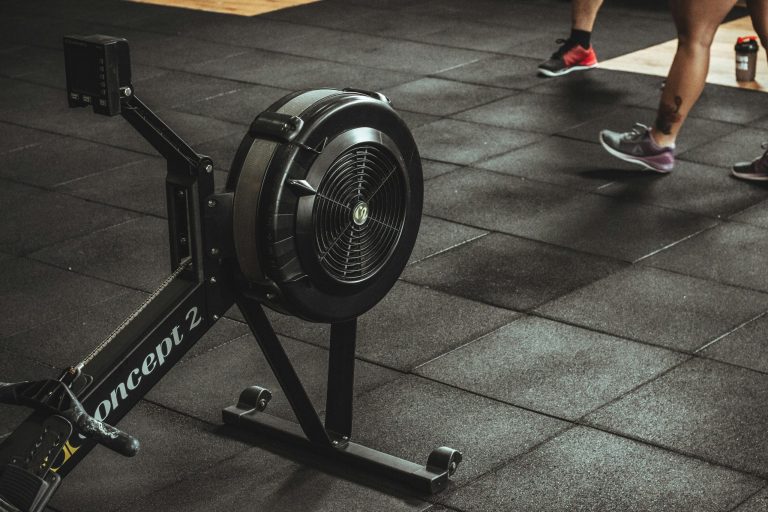
- You can fit bigger equipment like a squat rack, treadmill, or rower. Makes it feel like a full-on gym and may even cause some friends and family to want to come over just to use it.
- Ventilation is simple – just open the door. … I told you. Simple.
- You won’t have to rearrange your living room every time you want to work out. ‘Cause c’mon, that gets really tiring to do after a while.
Tips for garage gyms:
- Add rubber mats to protect both your gear and the concrete floor. The floor might be durable, but it’s not invincible.
- Be mindful of temperature – garages get hot in summer and cold in winter. A fan or space heater can make or break your experience.
- Store equipment against the walls or on racks to keep things organized and leave room for your car (if you still want to park it in there).
The garage setup is perfect if you want a dedicated space that feels like a mini fitness studio. And I don’t know if it’s just me, but I feel like getting into that kind of environment really gets me in the mood to push myself as hard as I can and really lock in.

Spare Room or Basement: Cozy and Controlled
Not everyone has a garage, but a spare bedroom or basement can be just as effective. These areas are usually climate-controlled, which means you don’t have to worry about extreme heat or cold affecting your workouts.
Why it’s so great:
- Comfortable year-round, no weather issues. It’s inside after all.
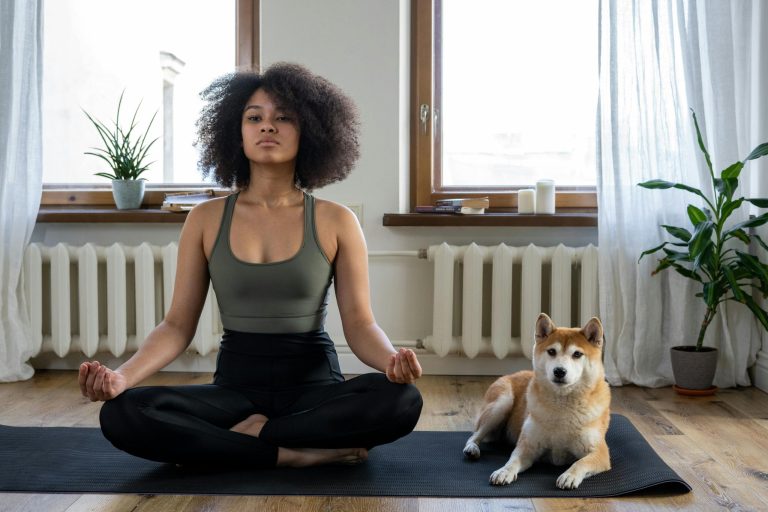
- Great for low- to medium-impact workouts like yoga, resistance bands, dumbbell training, or bodyweight circuits.
- Easy to add mirrors, posters, or even a TV to keep things fun and motivating. Honestly, it makes it so much easier for mirror pics (if you’re into that).
Tips for indoor setups:
- Use foldable or compact equipment, like adjustable dumbbells or resistance bands, to save space. It’s a bit more limited than a garage after all.
- Invest in a yoga mat or padded flooring if you’ll be doing core or mobility work on the ground. Or if you do want to get some bigger equipment.
- If you’re in a basement, check the ceiling height before buying larger equipment (pull-up bars or racks need clearance).
This option is ideal if you want a quiet, private gym space that blends into your home. Though, I’m sure some friends or family will still want to come and use the space here and there.
The Small Corner: An Undercover Hero
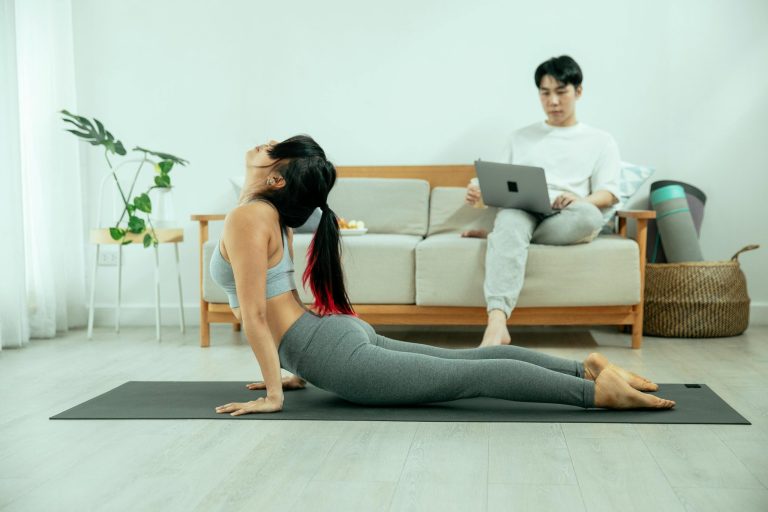
I’ll be 100% real with you on this one: you don’t need a whole room to build a fitness routine. Even a small corner of your living room, bedroom, or office can transform into a mini workout zone.
Why it’s so great:
- Minimal setup – just enough room for a yoga mat is all you really need. Try it and you’ll see that you don’t need a whole lot.
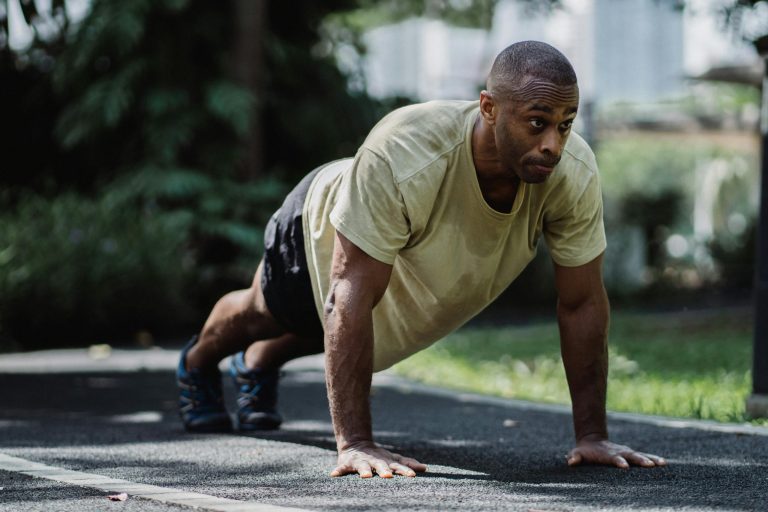
- Perfect for bodyweight workouts (aka calisthenics), yoga (personally, not my thing), mobility (doesn’t get enough attention), or resistance bands (my personal favorite for quick workouts).
- Easy to hide equipment when you’re done (slide it under the bed or tuck it into a closet).
Tips for corner gyms:
- Pick multipurpose equipment: a set of resistance bands, a kettlebell, or adjustable dumbbells. Trust me, it’ll open up so many possibilities.
- Use vertical storage (like wall hooks or a small shelf) to keep the area neat. It’s not required but if you care about appearances, then do it.
- Make it a “cue” space – if you see your mat or dumbbells ready, it’ll remind you to move and set aside distractions.
This setup is proof that space limitations is no excuse to skip fitness. Your bodyweight plus a little creativity is more than enough. If you need proof, try it for a year or just look up people who do calisthenics. Some of them are just mind-blowing.
Quick Recommendation: Sometimes, it’s not about whether you have the space or not. It could be that you may not have enough to spend on some solid, quality weights or a bench. Or you’re just a busy person who doesn’t have the time for a full, in-depth workout. There could also be tough times or random events that throw a wrench in your fitness journey. I get it. Life happens.
That’s why I recommend the HPYGN Resistance Band set time and time again on this site. The phrase that I love to use when describing it is: “It’s like a gym in a bag.” And I say that for good reason. Using the HPYGN Resistance Band set, you can hit nearly any muscle movement you want all for a price that’ll make you do a double take. You don’t need anything crazy to make progress and this is no exception. Why not give it a shot?
Your Space, Your Rules
The best home gym isn’t about square footage – it’s about consistency. Whether you’ve got a garage you can turn into a full-fledged gym, a spare room to customize, or just a corner you dedicate to movement, the important thing is making the space your own. Fill it with whatever you think you need and use it.
I’ve said this time and time again on this site but it never stops being as important: Fitness doesn’t require perfection – it requires practicality. Start with what you have, add equipment as you go, and keep the focus on showing up regularly. Real, lasting progress comes from showing up day after day and putting in the work. So what are you waiting for? Get moving!