3 Big Reasons A Home Gym Is Totally Worth It
I know, I know. I get it. At first glance, a home gym might seem like a significant step- or even an unnecessary expense. After all, why spend a bunch of money on a ton of equipment when you can pay for a monthly gym membership? It’s just easier, right? You walk in and have access to all the equipment you’d ever need.
But here’s the truth: a home gym’s benefits go far beyond dollars and dumbbells. If you’re someone who wants to stay consistent, save money in the long run, and work out on your terms, someone who’s serious about making improvements, a home gym could be one of the best investments you ever make.
Let’s break down why it’s worth it – without the sugarcoating – so you can decide if building your own workout space is the right move.
Quick Recommendation: Before we delve into it, I’d like to let you know that I have a separate post that goes into depth about three different budget ranges for your home gym: minimal, mid-tier, and full. Each range has a description of who it’s best for, what kind of equipment falls into that range, and how to get the most out of every range.
If you’re legitimately thinking about setting up a home gym, before or after you read this post, I highly recommend checking out my other post. If nothing else, it’ll help give you an idea of what to look for and what’s best for you. Click here to learn more: Home Gym Dreams? Here’s How to Make It Happen on Your Budget
Key Takeaways
- Convenience: No commute, no waiting – your workouts fit seamlessly into your day.
- Long-term savings: A few upfront investments beat years of gym fees.
- Flexibility: Train how, when, and where you want without restrictions.
Convenience: Fitness Already Under Your Roof
The number one reason people fall off their fitness goals? It’s not a lack of motivation – it’s logistics. Think about it: how many times have you skipped a workout because the gym was “too far,” traffic was bad, or you didn’t feel like waiting for the squat rack? A home gym wipes out those excuses instantly.
With equipment in your garage, basement, or spare room, you can work out whenever you want. No commute. No lines. No worrying about forgetting your headphones and working out in agony because of bad gym music. Plus, no worries of judging eyes or weirdos (if that’s something that bothers you).
Real-life examples of convenience in action:
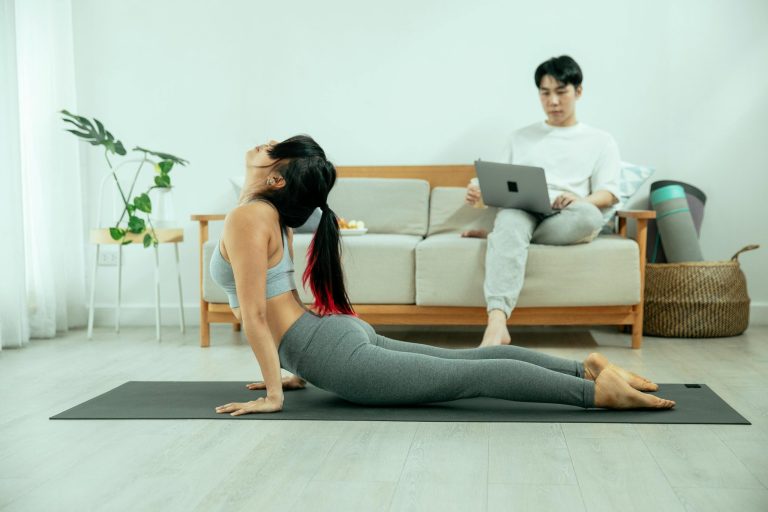
- Got 30 minutes before dinner? Knock out a quick strength session in your living room.
- Work from home and need a mid-day energy boost (or you got bored)? Do a circuit with dumbbells or resistance bands instead of scrolling social media.
- Bad weather outside? Doesn’t matter – your workout space is always open.
Just to continue adding to the list, the convenience factor makes consistency somuch easier. And, like I’ve said countless times on this blog, consistency is where real results come from. One killer workout every two weeks isn’t enough. Steady effort over time is what actually produces results.
Pro tip: Start small. You don’t need an entire garage filled with racks and machines. A yoga/exercise mat, a pair of adjustable dumbbells, and a resistance band can give you hundreds of workout options.
Long-Term Savings: Your Wallet Will Thank You
When you take your first look at it, buying gym equipment looks really expensive. A set of weights might cost a couple hundred dollars, a weight bench could cost about the same, and bigger items like a squat rack or treadmill can run into the thousands. But let’s put this in perspective:
The typical gym membership in the U.S. costs anywhere from $30 to $70 per month. That’s $360 to $840 per year. Over five years, you’re looking at $1,800 to $4,200 – and that doesn’t include gas for the commute, locker rentals, or any “extra fees” gyms love to sneak in. And besides that, some gym memberships are $100 to $200 per month – meaning $1,200 to $2,400 a year and $6,000 to $12,000 in five.
Now compare that with a home gym setup. You could start with:
- Resistance bands ($20-50)
- Adjustable dumbbells ($150-300)
- A foldable bench ($100-250)
- A few mats or flooring tiles ($70-150)
That’s a total of about $750 at most for equipment that will last for years. From there, you can slowly upgrade as your budget and space allow. By year two, you’ve already “broken even” compared to even the cheaper gym memberships. By year five, you’re saving thousands.

Bonus savings: No need to buy fancy gym clothes (nobody cares what you’re wearing in your garage), no unnecessarily expensive shakes at the juice bar, and no wasted money on unused memberships when life starts life-ing.
Pro tip: Look for used equipment. Sites like Facebook Marketplace, Craigslist, or even local gyms upgrading their gear are gold mines for affordable weights and machines. I personally bought the weight plates and barbells I own from a friend who wasn’t using them anymore.
Flexibility: Fitness Completely Your Way
One of the underrated benefits of a home gym is the flexibility. You’re in complete control of every single aspect. The equipment, the schedule, the atmosphere, even the playlist. All completely your choice.
At your typical run-of-the-mill gym, you’re limited by business hours, crowded spaces, and shared equipment (which can get pretty disgusting). With a home gym, you set the rules. Want to train at 1 or 2 am? No problem. Prefer blasting heavy metal, hip-hop, or even an audiobook or podcast while lifting? Go for it. Need to mix in yoga or mobility stretches between sets? You don’t have to worry about a side-eye or judgment from strangers.
Flexibility also applies to workout style. Your home gym can grow with you:
- Beginner phase: Focus on bodyweight exercises, resistance bands, and light dumbbells. Just the essentials.
- Intermediate phase: Add a barbell, a pull-up bar, or a squat rack. Or maybe all three if you’re able to.
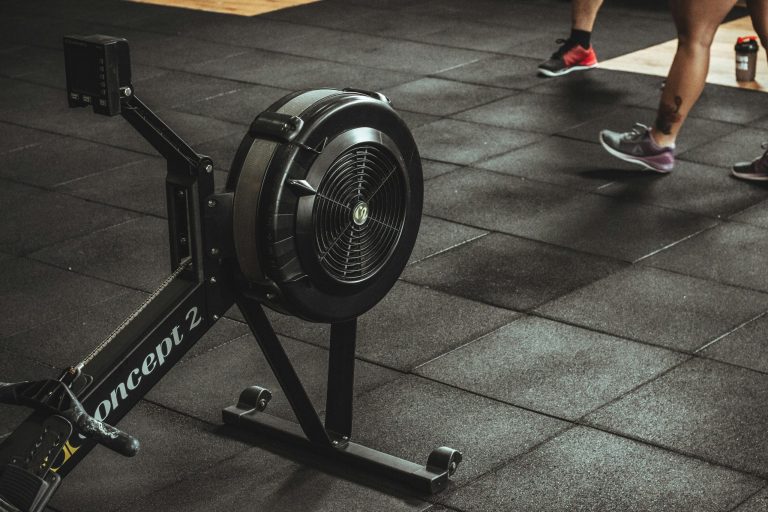
- Advanced phase: Build out with machines, specialty bars, or even cardio equipment like a rower or treadmill. You know, to really just complete the space.
This adaptability means your gym evolves as you do, conforming to your needs and goals. And instead of fitting your life around the gym, your gym fits around your life.
Pro tip: If space is tight, think multi-purpose. Adjustable dumbbells, foldable benches, and suspension trainers (like TRX) give you tons of options without taking up half a room.
Quick Recommendation: Speaking of multi-purpose equipment, resistance bands are perfect for that. I’m aware that many people don’t have a whole lot of space for equipment. And I’ll be honest, fitness equipment is generally a bit pricey – too much so for some. Even though I highly recommend making the investment, some just aren’t in a position for it.
That’s why I continuously recommend the HPYGN Resistance Band Set across what’s gotta be half of my posts on here. With this set, you can perform so many different exercises and can hit many different muscles, whether it be shoulders, chest, back, biceps, triceps, or more! All for around $20. It’s honestly my favorite piece of equipment that I own.
A Home Gym Is an Investment in You
I know money is one of the biggest factors when it comes to home gyms. But a home gym isn’t just about saving money or avoiding the drive. It’s about building an environment where staying active feels natural and sustainable – like it’s just another part of your routine. The convenience keeps you consistent. The savings add up year after year. And the flexibility means you can always tailor your workouts to your lifestyle.
You don’t need to go all-in from day one. Start small, build gradually, and let your home gym grow and change with you. Over time, you’ll realize it’s not just a workout space – it’s a tool that makes fitness part of your everyday life.
If you’ve been hemming and hawing about setting up a home gym, consider this your sign. Your future self – stronger, fitter, and hopefully a little richer – will thank you.