Basics of a Home Gym & Getting Fit Without One
Does the gym feel like too much of an expense? They help by providing you a place and equipment to workout with but the money you pay to use it can get a bit much. That’s where having alternatives comes in handy. Whether you’re thinking of building your own home gym or just want to work out with zero equipment, you’ve come to the right place.
This post is the starting point – a roadmap of what’s to come. Think of it as a run down on how I’ll break down everything you need to know in future posts: from equipment essentials, to workouts you can do in your living room, to how to set it all up.
Let’s dive into some home gym basics and what you can expect on this journey.
Quick Recommendation: As I’m sure everyone knows, when you exercise, you tend to feel sore afterwards. In some cases, this soreness is the entire reason people don’t exercise. It’s uncomfortable. Sometimes it hurts, while other times it’s just restricting. When your body is like that, it makes it difficult to go and exercise.
That’s why I recommend getting a massage gun. The Hyperice Hypervolt 2 is a quality option that won’t let you down. Especially with the 5 interchangeable heads to really target any problem areas. The Hyperice Hypervolt 2 Pro is for those who really want precision in their muscle recovery. You get 2 more speeds with the Pro so you can fine-tune the gun to your needs. If you want something smaller, more travel-friendly, and easier on the budget, the Hyperice Hypervolt Go 2 is for you.
Key Takeaways
- Start with your body: Bodyweight exercises are free, effective, and perfect for beginners.
- Build your home gym gradually: Focus on affordable, versatile gear first. Add more as you grow.
- Stay consistent: Small, realistic habits matter more than “all-or-nothing” efforts.
- This blog will cover it all: From workouts to equipment to set up and preparation – you’ll have a step-by-step guide to getting fit without a gym.
1. Getting Started: Fitness Without Fancy Equipment
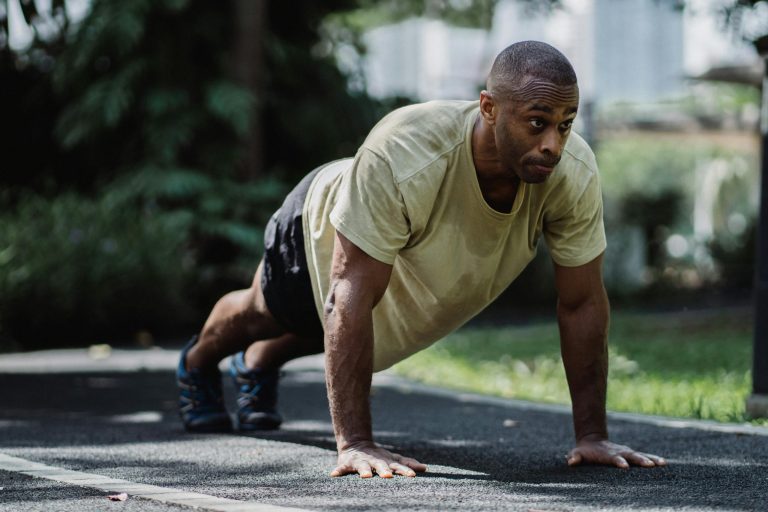
Before we even talk about kettlebells or resistance bands or any other equipment, let’s start with the basics: your body. Bodyweight training is the foundation of fitness, and it’s where most beginners should start. It’s functionality almost directly carries over into everyday movements in the beginning stages, making your routine seem easier.
Future posts will walk you through:
- Simple moves that actually work: Push-ups, squats, planks, and lunges. Might sound boring, I know, but they’re ridiculously effective when done consistently.
- How to structure a beginner-friendly routine: Hour-long workouts aren’t a necessity. Just 20-30 minutes of well-structured movement 3-4 times a week can spark big changes.
Previous posts that can help:
- Better Ways to Track Your Progress Beyond the Scale: Progress photos, how your clothes fit, or even how many push-ups you can do in a row matter more than the number on the scale.
- Progress, Patience, Consistency: How to Keep Going: Prioritize making progress and staying consistent over perfection and intensity.
By focusing on bodyweight moves first, you’ll build a solid foundation and avoid the common beginner trap of buying too much gear too soon.
2. Building A Home Gym (Step by Step, Budgeting in Mind)
Once you’re comfortable and adjusted to moving your body, adding tools can help you level up your workouts. Here’s some good news that many want to hear: you don’t need to drop thousands of dollars on giant machines.
Future posts will break down home gym essentials into three categories:
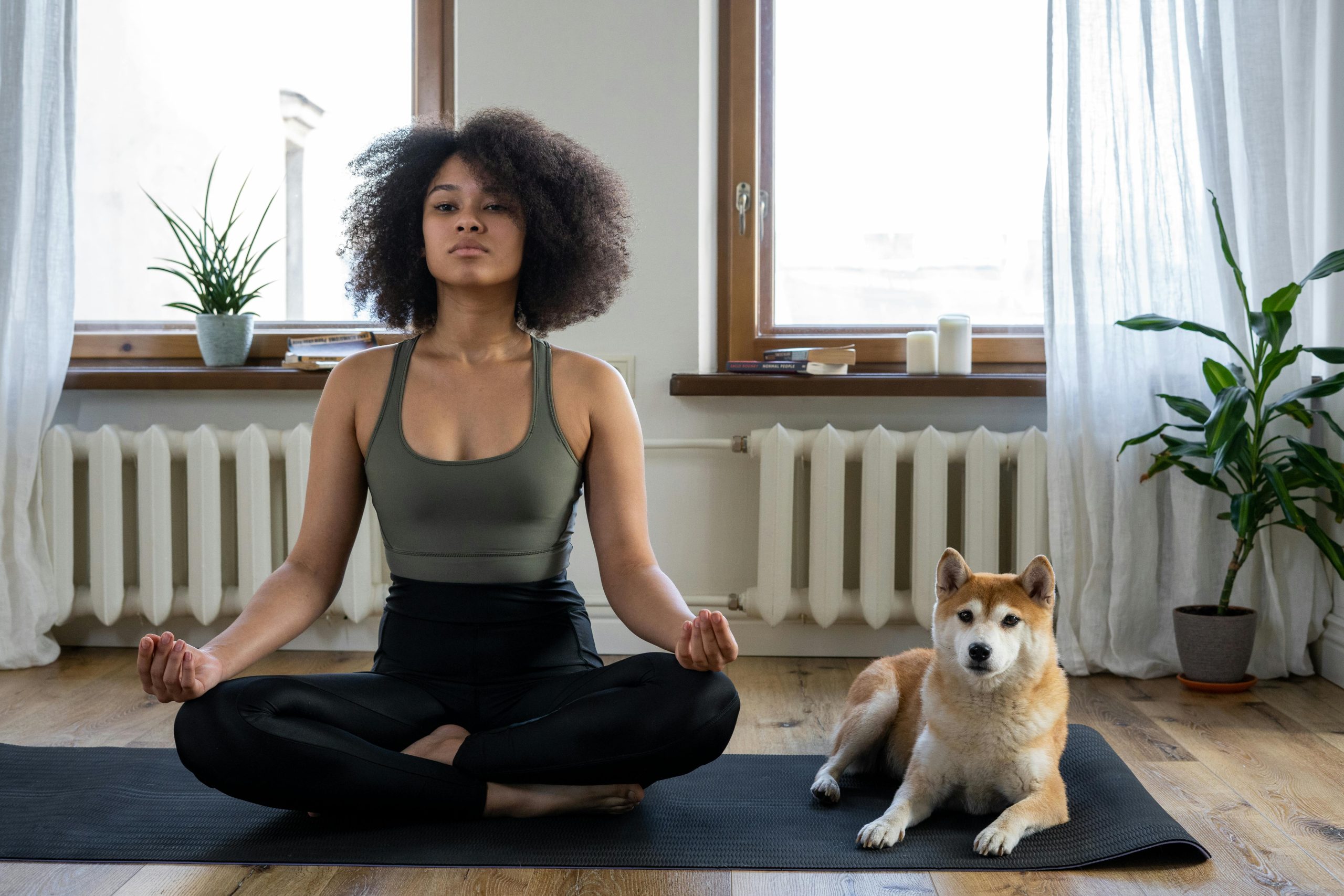
- Must-Haves (low cost, high impact): A yoga mat, resistance bands, and maybe a set of adjustable dumbbells. These are versatile, space-friendly, and budget-friendly.
- Nice-to-Haves: Kettlebells, a pull-up bar, or a jump rope. Great for variety but not required to get fit.
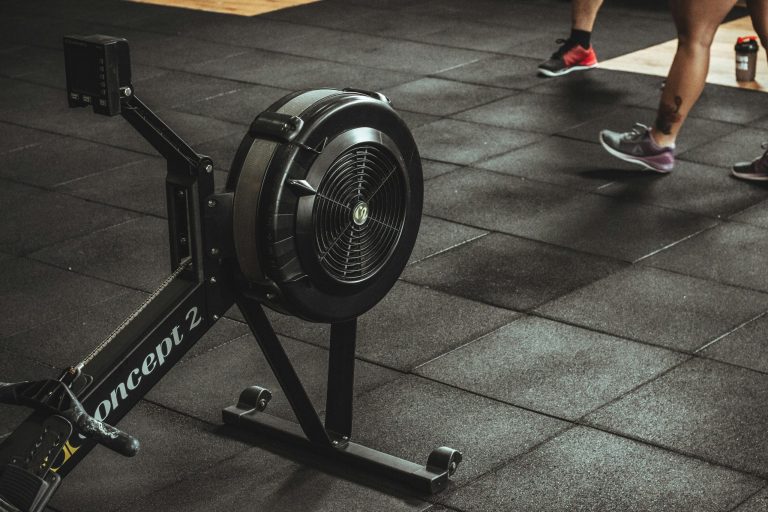
- Big Investments (if you’re serious long-term): Things like a squat rack, barbell set, or treadmill. Totally optional, but worth it if you want to turn your garage or basement into a full gym.
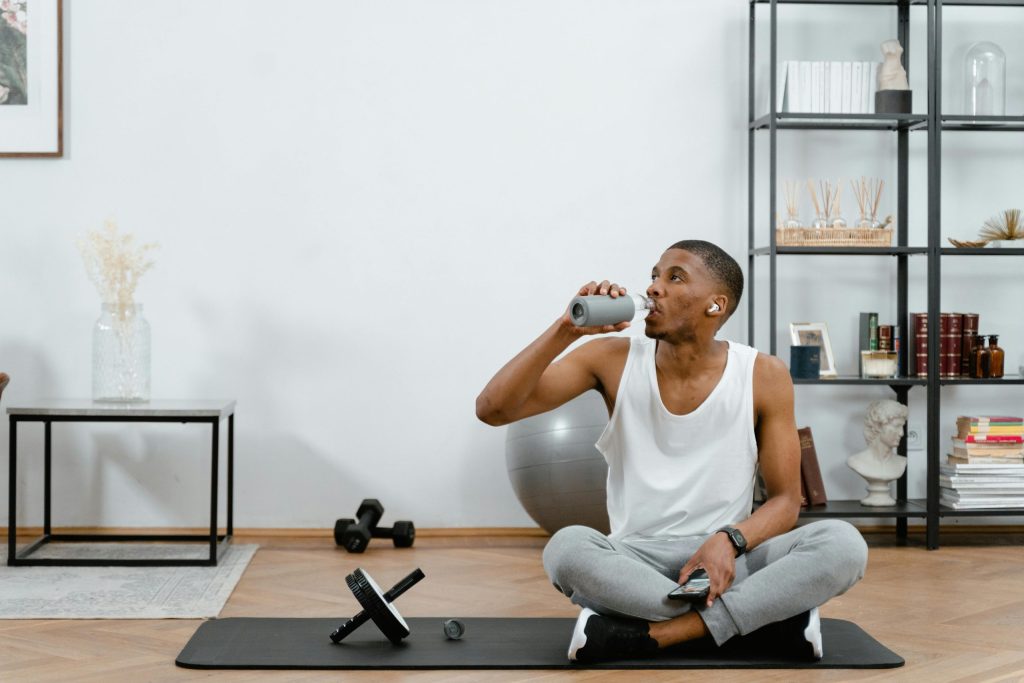
Along the way, I’ll give you tips on where to find deals (hint: secondhand marketplaces are goldmines), how to maximize space, and how to avoid buying gear that’ll just collect dust.
Think of it like building blocks – you don’t need it all on day one. Start small, add as you grow, and your home gym will naturally evolve with you.
3. Optimizing Your Space on Hand
You can prepare yourself, get all the equipment, and even use it correctly but what about where to put it? What’s gonna happen with that one?
Well, in the future, I’ll detail exactly that. Where you can set up a home a gym in your living space and tips and how to optimize it. Here’s the top 3 spots to set up at least the home gym basics:
- The Garage: One of the most popular spots for a home gym. You don’t have to worry about scraping the floor too much or dropping stuff and big stuff can easily fit into the space.
- The Spare Room/Basement: Garages aren’t exactly available to every living situation but you’re more likely to have a spare room or basement you can use. The best thing about using one of these is the climate control. Summer or winter you can use it and not worry too much about temperature.
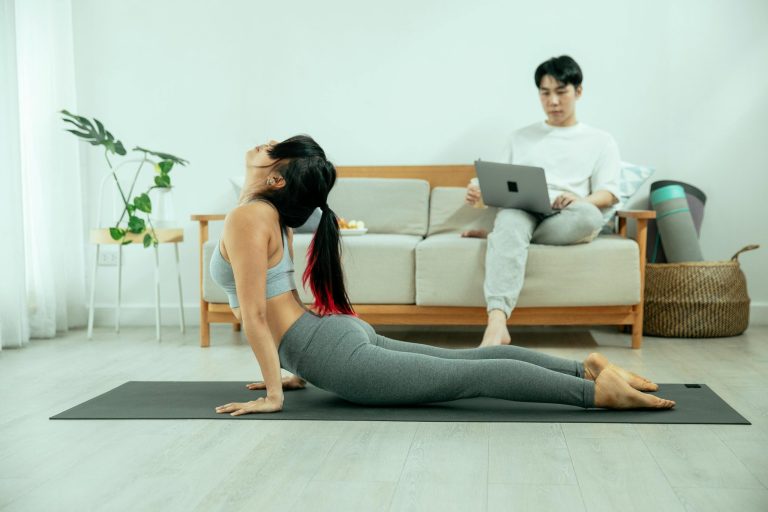
- The Small Corner: This can be in any room – your bedroom, an office, your living room. Doesn’t matter. You don’t need to dedicate a whole room to being a gym. Using just your bodyweight can work (calisthenics) or you can use minimal equipment (resistance bands, kettlebells, dumbbells, etc.).
There’s a lot of possibility when it comes to choosing where your setup will be but it really isn’t the location that matters. The most important thing is actually doing the workout and putting in the effort to improve.
Quick Recommendation: Something I mentioned multiple times throughout this post is resistance bands. I bring them up for good reason.
Some people don’t have a ton of space to use for workouts. Some people don’t have the time for a typical workout. Others may not have the money to spare. But that’s why I recommend the HPYGN Resistance Band set. These things are like a gym in a bag. Required space? Minimal. Price? Surprisingly affordable. You get so many different workouts out of this set, it’s insane. Plus, you can do it all in a short amount of time. Try it out and see for yourself.
Wrapping It Up
This roadmap is just the beginning. Whether strictly using bodyweight, slowly building up the home gym basics, or eventually creating a full setup that rivals your local fitness center is in the playbook, you’ll find practical, realistic steps here to guide you.
Fitness doesn’t need to be complicated, expensive, or overwhelming. It’s about starting where you are, using what you have, and growing over time. Your journey doesn’t need to look perfect. Hell, the “look” doesn’t even matter. It just needs to start. And this roadmap will help you keep moving forward. Stay tuned for my future posts.