What’s the Big Deal About Macros and Micros Anyway?
Ever heard the phrase: “abs are made in the kitchen”? Well, guess what? It’s true! Your nutrition is the main star if you really want to see your abs. Everyone has abs, but if you can’t see ’em, then you just have too much body fat in the way. But this isn’t about fat loss. No, no, no. This is all about the part of diet and nutrition that you hear gym rats talking about all the time: macros and micros.
Starting out on your fitness journey, you’re a blank slate. That makes you a prime target for BS tips and tricks from influencers trying to make a quick buck off of you or just get you to waste your time. That’s why understanding macronutrients and micronutrients (aka macros and micros), the most crucial part of a healthy diet, is like unlocking a secret code to better energy, better results from your workouts, and a healthier relationship with food.
So let’s break it all down – without the science jargon overload – and give you real, useful info you can actually apply whether you’re trying to lose weight, build muscle, or maintain your current progress.
Quick Recommendation: Do you remember the big 2 words in fitness? Here’s a reminder: diet AND exercise. While abs are made in the kitchen, if you want actually useable abs instead of aesthetic ones, you gotta exercise right alongside your diet. Plus, the food you eat doesn’t just get you abs, it provides the sustenance your body needs for ALL of your muscles. The progress you want is fueled by the food you eat.
Whether you want to get stronger or just maintain and tone the muscle you already have, the CAP Coated Hex Dumbbell Set is here to help. Do you know just how many exercises you can do with dumbbells? Hint: some people only use dumbbells for their workouts and they see incredible results. Heck, I love using dumbbells because you can workout either side of your body individually and can help highlight areas you’re lacking.
Key Takeaways
- Macronutrients = protein, carbs, and fats. They provide energy and support your goals.
- Micronutrients = vitamins and minerals. They keep your body running efficiently.
- Your fitness goals (loss, gain, maintenance) influence how much of each macro you need.
- Focus on whole, colorful, nutrient-dense foods as the foundation of your meals.
- Tracking can help, but you don’t need to be perfect – consistency beats perfection.
What are Macronutrients (Macros)? What’s their deal?
Macronutrients are the nutrients your body needs in large amounts to function, perform, and stay alive. They’re your body’s main source of fuel. There are three primary macros:
- Protein
- Carbohydrates
- Fats
Each plays a different but vital role in your body.
🥩 Protein: The Builder
Protein is made up of amino acids – think of them as the building blocks your body uses to repair and grow tissue (especially muscle).
Why it matters:
- Helps repair muscle after workouts
- Keeps you full longer (great for weight loss)
- Supports your immune system
How much you need:
- A good starting point is 0.7-1 gram of protein per pound of bodyweight, especially if you’re active.
- So, if you weigh 150 lbs, aim for 105-150g of protein per day.
Examples:
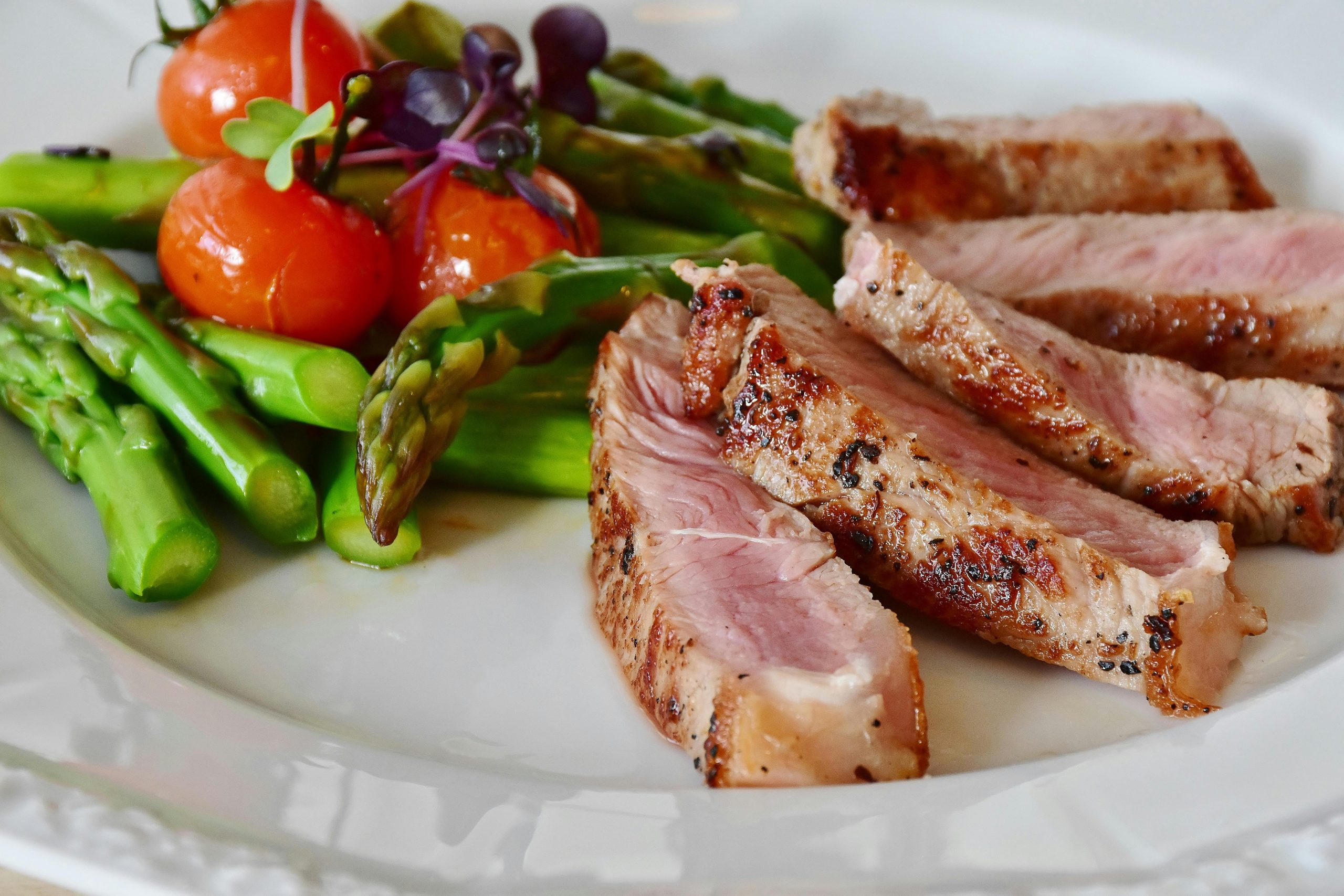
- Lean meats, chicken breast and other poultry, Greek yogurt, tofu, eggs, fish, protein powder, lentils
🍞 Carbs: The Energizer
Carbs are your body’s preferred energy source. When you eat them, they break down into glucose (sugar) which fuels your brain, muscles, and more.
Why it matters:
- Gives you energy to crush workouts
- Supports brain function
- Helps with recovery
Carbs aren’t the bad guys! They’re just often misunderstood. The trick is to choose the right kind and balance them. (You don’t want too much but you still need carbs.)
Types of carbs:
- Simple carbs: quick energy (e.g., fruit, white rice, candy)
- Complex carbs: slower-digesting, long-lasting energy (e.g., oats, brown rice, quinoa, sweet potatoes)
Tip: Focus more on complex carbs for sustained energy, and don’t fear fruits!
🥑 Fats: The Hormone Hero
Fats got a bad rep in the ‘90s, but the truth is, your body needs fat – especially for hormone production, brain function, and absorbing vitamins.
Why it matters:
- Supports hormones (like testosterone and estrogen)
- Keeps you feeling full and satisfied
- Helps absorb fat-soluble vitamins (A, D, E, K)
Types of fats:
- Healthy fats: avocados, olive oil, nuts, seeds, fatty fish
- Heavily limit these: trans fats (the worst kind of fat; eliminate them if you can) and too much saturated fat (found in fried food and processed snacks)
Tip: Aim for about 20-35% of your total daily calories from healthy fats.
Ok, but what are Micronutrients (Micros)? How do they play in?
While macros get all the spotlight, micronutrients are the behind-the-scenes MVPs. These are vitamins and minerals your body needs in smaller amounts – but don’t let “small” fool you. Without them, your body can’t run properly.
🧠 What Do Micros Do?
They help with everything from:
- Energy production
- Immune function
- Bone health
- Muscle contraction
- Mental clarity
- and many more!
You won’t get stronger, leaner, or feel your best without the right balance of vitamins and minerals. They’re not something you can ignore.
Key Micronutrients to Know:
| Micronutrient | Why It Matters | Where to Get It |
|---|---|---|
| Vitamin D | Bone health, immune support | Sunlight, oily fish like salmon, egg yolks, fortified milk |
| Iron | Carries oxygen in blood, improves energy | Red meat, poultry, seafood, spinach, lentils |
| Calcium | Strong bones, nerve function | Dairy, broccoli, tofu |
| Magnesium | Muscle and nerve function, can reduce migraines | Nuts, seeds, whole grains, soy products |
| Zinc | Immune support, wound healing | Oysters, pumpkin seeds, crab, oats |
| B Vitamins | Energy, metabolism, brain function | Whole grains, eggs, dairy products, leafy greens |
Tip: Eat a variety of colorful whole foods – that’s your best insurance policy for getting enough micros.
Quick Recommendation: I know I mentioned it before, but exercise really is just as vital as getting your appropriate macros and micros. You eat what’s gonna allow your body to improve and you put your muscles through hell so that they can grow and get stronger. But when there’s a good workout, soreness should be expected. Though, it sometimes gets to a point it prevents you from living normally.
That’s why I am in strong favor of getting a massage gun to help sooth your aches and pains. The Hyperice Hypervolt 2 is just an overall great choice while the Hyperice Hypervolt 2 Pro gives you more options to really get you the relief you’ve been looking for. The Hyperice Hypervolt Go 2 is a cheaper alternative but still gets the job done right. Plus it’s more travel-friendly.
How to Balance Macros and Micros for Your Goals
So how do you put all of this into practice without turning every meal into a math equation? Don’t worry – you don’t need to obsess over numbers, but having a rough idea of how to fuel your goals makes a big difference.
🎯 Goal: Weight Loss (aka Cutting)
You want to lose fat, not just weight. That means keeping muscle while trimming body fat.
Macro Tips:
- Higher protein intake keeps you full and helps preserve muscle
- Moderate carbs and healthy fats
- Be in a calorie deficit (burn more than you eat), but not extreme (100-500 calorie deficit is considered a healthy range)
Example split:
- Protein: 35%
- Carbs: 35-40%
- Fats: 25-30%
Pro Tip: Use an app like MyFitnessPalor MacroFactor to track, but don’t obsess. It’s supposed to be a guide, not a jail sentence.
💪 Goal: Muscle Gain (aka Bulking)
You’ll need to eat more calories than you burn, but you need to play it smart – don’t treat it like an all-you-can-eat buffet. (Tempting, I know)
Macro Tips:
- High protein, but even more carbs to fuel workouts and recovery
- Don’t skip healthy fats – they support testosterone and hormone health
- You may gain some fat – that’s normal
Example split:
- Protein: 25-30%
- Carbs: 45-55%
- Fats: 20-25%
Micros Matter: Eat more fruits and vegetables to support your immune system (bulking can be taxing on the body).
⚖️ Goal: Maintenance
You’re not trying to change weight drastically, just feel good and perform well.
Macro Tips:
- Balance all three macros fairly evenly
- Adjust based on activity level (e.g., more carbs on workout days)
- Keep an eye on portion sizes but don’t obsess
Example split:
- Protein: 30%
- Carbs: 40%
- Fats: 30%
Lifestyle Tip: Focus on consistency over perfection. Occasional treats are fine – your body responds to your average, not your exception. Plus, you won’t stay exactly the weight the entire time. Some variation will occur and that’s normal.
Realistic Tips to Make Macros and Micros Work in Your Life
Let’s be honest – tracking every gram forever is exhausting so here’s how to keep it real and sustainable:
🧃 1. Build a Balanced Plate
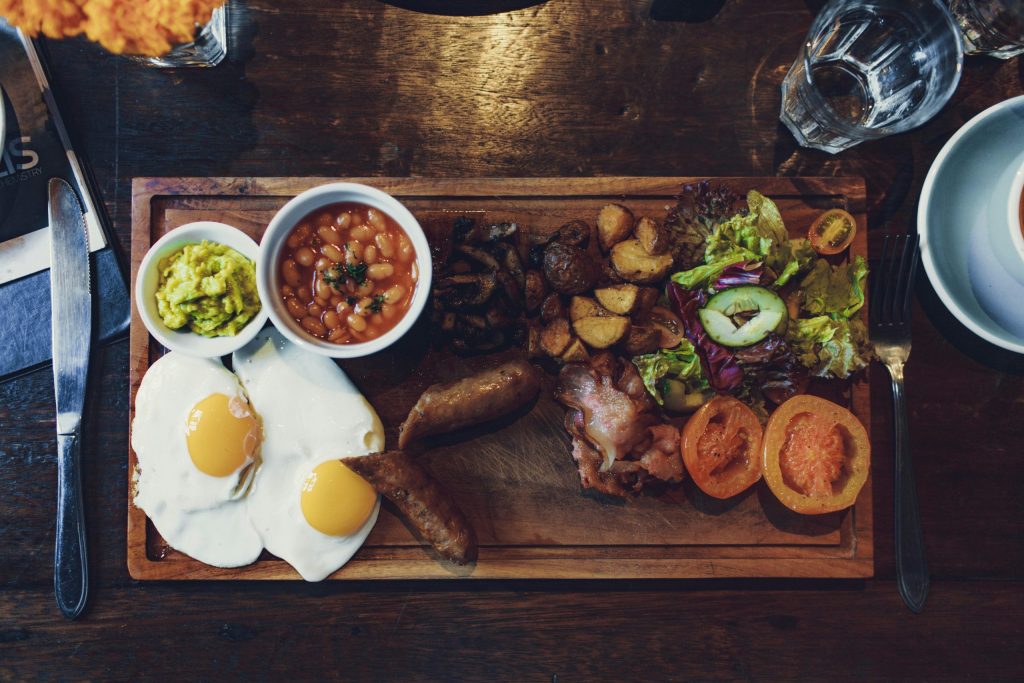
Use the “macro-friendly plate method”:
- Half your plate: veggies and fruits (micros!)
- A quarter: lean protein
- A quarter: healthy carbs (brown rice, quinoa, sweet potato)
- Add a small serving of healthy fats
🥗 2. Cook More at Home
You have better control over ingredients, portions, and nutrients. Bonus: It’s usually cheaper.
📱 3. Use Tracking Tools… Temporarily
Use apps or food diaries for a few weeks to understand your habits. After that, you’ll build intuition.
🥤 4. Don’t Drink Your Calories (Too Often)
High-calorie drinks like soda, sugary coffee, and even juice can sneak in a lot of unnecessary carbs without making you feel full.
🥳 5. Give Yourself Grace
Perfect days don’t matter as much as consistent weeks. Celebrate small wins and keep moving forward.
Quick Recommendation: When it comes to eating at home, it can get pretty damn difficult. I know the struggle all too well. Whether you’re making your own food or all you’re eating is ready-to-eat meals, tracking your calories and macros and micros sometimes gets left up to guesswork.
Using the Etekcity Food Kitchen Scale can help take out the guesswork and get you the exact measurements of how much you’re eating. I don’t know if it’s just me, but I’ve always thought of having a food scale as something for gym rats and the like. But now, I realize it’s for people who are serious about their diet and really, and I mean really want to achieve their goals.
Mastering Macros and Micros = Long-Term Success
If fitness is the vehicle, then macronutrients are the fuel, and micronutrients are the engine oil – you need both to move forward smoothly.
Whether you’re trying to lose weight, build muscle, or just feel better in your skin, understanding the basics of macros and micros helps you make smarter, more confident choices with your food. And the best part? You don’t have to eat a “perfect” diet to see results. Just consistently aim for balance, listen to your body, and adjust as you go. Make sure you enjoy what you’re doing though, because it’ll get tough if you don’t.
I know you’ve got this. Start small, continue learning, and remember: every healthy meal is another step forward.