Strength Training: The Best Part of Getting in Shape
So, I might be a bit biased when it comes to strength training but you gotta give me a break here. Lifting became one of my favorite things in the world because it’s incredibly satisfying to lift something heavy. That might also just be because I’m a guy and reverting to caveman mentality can be pretty fun. As a meme I saw somewhere said: “Lift heavy circles to lift even heavier circles.” ANYWAYS, it’s really fun to see yourself grow and get stronger over time.
If you’re new to all of this though, I can understand if “you should do some strength training,” could confuse you a little. I mean, you’re new to it so what specifically are you supposed to do? And how? Don’t worry – this post is your go-to guide to understanding what strength training is, why it’s fun (and sometimes not as much), and how you can start doing it in a way that fits your lifestyle.
Whether you’re looking to tone up, build muscle, boost your metabolism, or just feel stronger in your day-to-day life, strength training – also called anaerobic exercise – will help with that.
Let’s break it down.
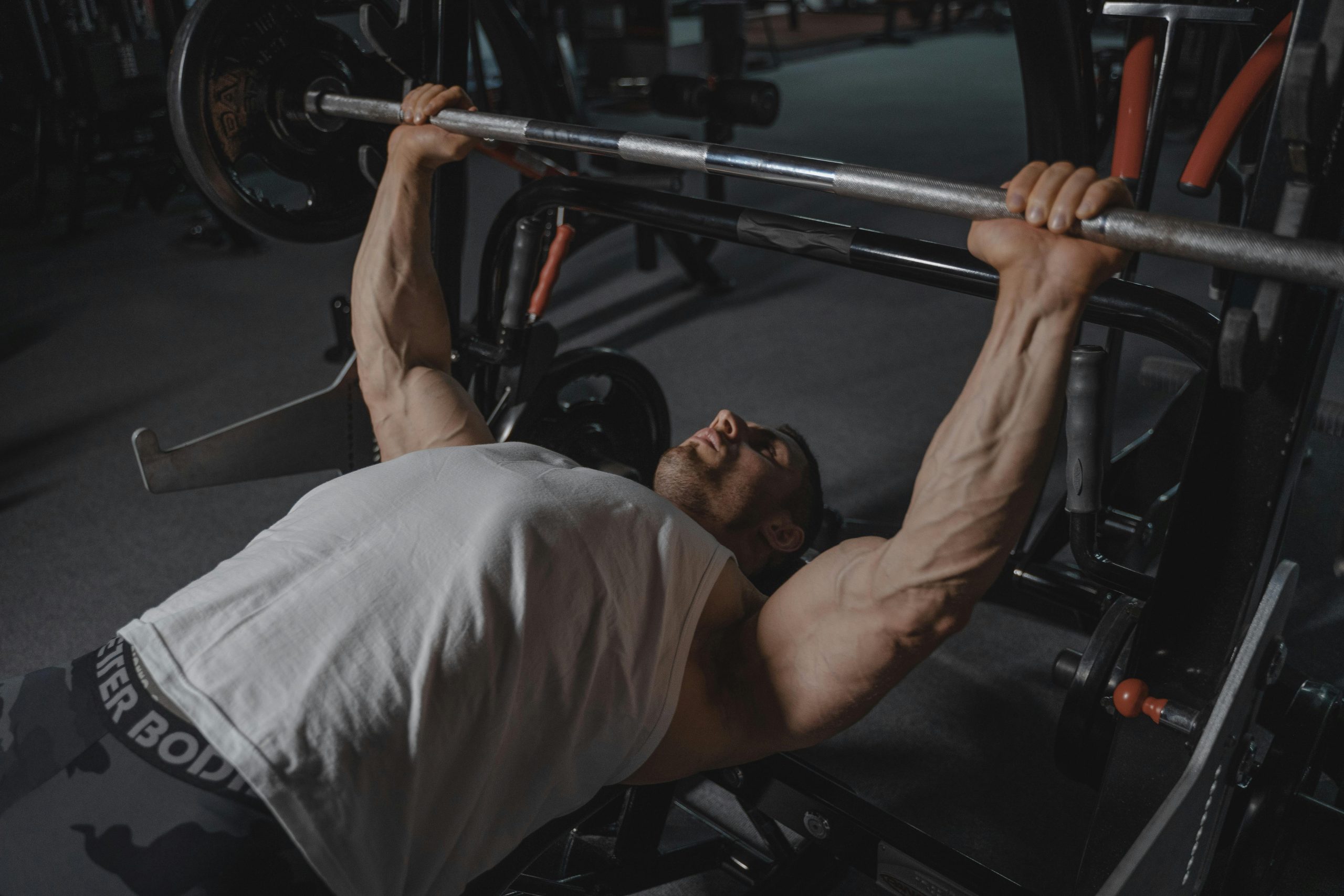
Quick Recommendation: Everybody knows the free weight method to getting stronger. Putting weight plates onto a barbell and doing whatever exercise you want to do – typically in a gym. But personally, dumbbells are something that I like to use more often for genuine gains. Barbells and weight plates are more fun to throw around and lift but dumbbells are my preferred choice when I’m trying to get gains.
That’s why I would recommend the CAP Coated Hex Dumbbell Set. When it comes to weight equipment, you can’t go wrong with CAP. Also, the A-frame design keeps the necessary storage space to a minimum. This basic starter dumbbell set will last you a long while because there’s so many different ways to apply dumbbells to keep making the gains you want.
Key Takeaways
- Strength training is anaerobic exercise that builds muscle through resistance (think weights, bands, bodyweight).
- It boosts metabolism, mental health, bone strength, and functional fitness.
- When starting out, focus on form and control. This will improve your success as you get accustomed to it.
- Soreness and slow results are normal. Be patient and keep going.
- You don’t need a gym – you just need your body and a plan.
What Exactly IS Strength Training (a.k.a Anaerobic Exercise)?
Strength training is any exercise that makes your muscles work against some form of resistance. That resistance could be dumbbells, barbells, weight plates, resistance bands, your body weight, or even everyday objects (like grandma’s heavy groceries or your dog who refuses to walk).
And what’s with the “anaerobic” part? That just means your body is using energy without relying on oxygen in the same way it does during cardio workouts like running or cycling. Instead, it taps into stored energy in your muscles for short bursts of intense effort. Think short, powerful moves like lifting, pushing, pulling, or squatting.
Common Types of Strength Training:
- Weight lifting (machines or free weights)
- Bodyweight exercises (push-ups, planks, lunges)
- Resistance bands workouts
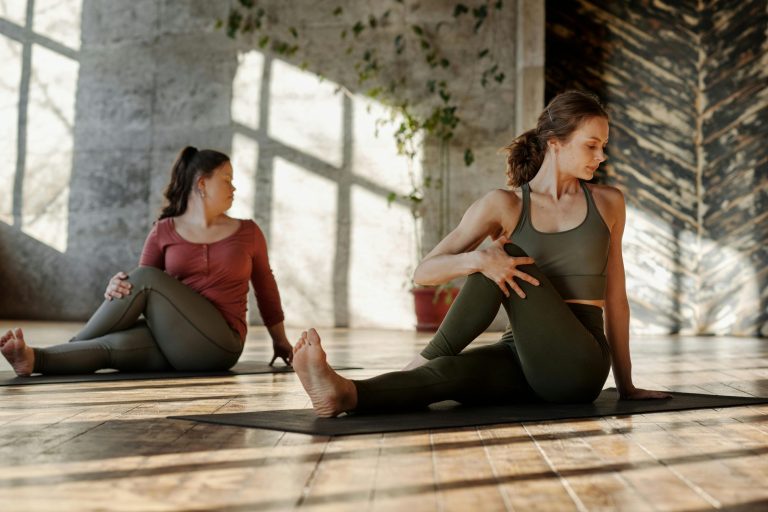
- Power yoga or pilates (yep, they count!)
- Kettlebell and medicine ball training
Don’t worry – you don’t have to deadlift a car to do strength training. That’s an Eddie Hall kind of thing. Even for total beginners, you can scale it to whatever you’re capable of and do it at home or in the gym.
Why Strength Training Is a Game-Changer
You might think strength training is just for athletes or bodybuilders, but everyone can benefit – especially if your goal is to get healthier, stronger, or more confident in your body.
Here’s How It Helps:
💪 Builds Lean Muscle (Not Just Bulk)
Muscle doesn’t make you bulky unless you’re deliberately training to get big. For most people, strength training helps tone and define your body while increasing overall strength. (Personally, not my thing but you do you.)
🔥 Boosts Your Metabolism
Muscle burns more calories than fat – even at rest. That means the more muscle you have, the more calories your body uses throughout the day. It’s like turning your body into a calorie-burning machine (my personal favorite fact about all the whole thing).
🛡️ Protects Your Bones and Joints
Regular strength training increases bone density, which lowers your risk of osteoporosis and injuries as you age. It also strengthens the muscles around your joints, helping prevent pain and instability. That’s why there are grandpas and grandmas out there who are more fit than your average 25 year old.
🧠 Improves Mental Health
Lifting weights doesn’t just build physical strength – it builds mental toughness too. Studies show that strength training can reduce anxiety, depression, and boost your mood thanks to the endorphins released during exercise. (HELL yea. Thanks strength training!)
🔋 Increases Energy and Daily Function
Ever struggled to carry a laundry basket, climb stairs, or open a stubborn jar? Strength training makes real-life tasks easier by improving overall stamina and function. It’s incredible honestly.
Are There Any Downsides? (Yeah, But You Can Handle it)
Strength training is powerful, but like anything, it has a few cons. Most of them come down to doing too much, too fast, or skipping proper form.
🤕 Risk of Injury
Poor form or lifting weights that are too heavy can lead to injuries – especially in the back, knees, or shoulders. The fix? Start light, watch tutorials, or better yet, work with a trainer at first if you can. Number one thing to remember about strength training: good form and lighter weight is better than bad form and heavy weight. When you lift heavy just because it’s heavy, that’s ego lifting. Don’t be an ego lifter. It’s fun but much more dangerous.
😩 Muscle Soreness
It’s normal to feel sore (especially when you’re new), but DOMS (delayed onset muscle soreness) can make moving feel like a punishment. Don’t let it scare you. Soreness means your muscles are adapting and growing stronger. It gets better over time!
Quick Recommendation: Adjusting to the extreme soreness or stiffness after just starting out or getting back into the routine gets tough at times. Hell, I know the pain and struggle all too well. I understand it. That’s why I strongly recommend getting a massage gun to help ease it, if only a bit. (Trust me when I say a little can feel like a lot.)
The Hyperice Hypervolt 2 massage gun is a solid option with 3 speeds and 5 interchangeable heads to effectively target where it’s worst. The Hyperice Hypervolt 2 Pro adds 2 more speeds on top of everything in the original. The Hyperice Hypervolt Go 2 is your thing if you’re looking for something cheaper that still gets the job done.
⏳ Takes Time to See Visible Results
Strength training won’t transform your body overnight – and that’s okay. If it did … there’s something wrong there. It takes consistency and patience to build muscle and strength. You’ll feel better before you see the changes. To give you a time span, I’d estimate 4-8 weeks to see physical changes.
💡 Can Be Intimidating at First
Gyms can be overwhelming. Equipment looks complicated. People seem to know what they’re doing. Truth: everyone started somewhere. Focus on you. Even a simple home routine with bodyweight exercises is a great start.
I know it’s a difficult concept but don’t worry about others. This is YOUR journey. What you do is YOUR business. If you’re held back by embarrassment or hesitation, you won’t get what you want out of it. And if you aren’t embarrassed to do things, people will respect the fact that you’re doing what you feel you need to be doing. At the very least, I definitely will.
How to Start Strength Training (Even If You’re Totally New)
You don’t need a gym membership or fancy equipment. You just need a plan and a willingness to try.
🗓️ How Often Should You Train?
Aim for 2–3 days a week to start. Your muscles need time to recover between workouts, so don’t hit the same muscle group two days in a row.
⏱️ How Long Should Workouts Be?
A beginner strength session can be as short as 20–30 minutes. It’s more about quality over quantity – focus on good form, slow movements, and control.
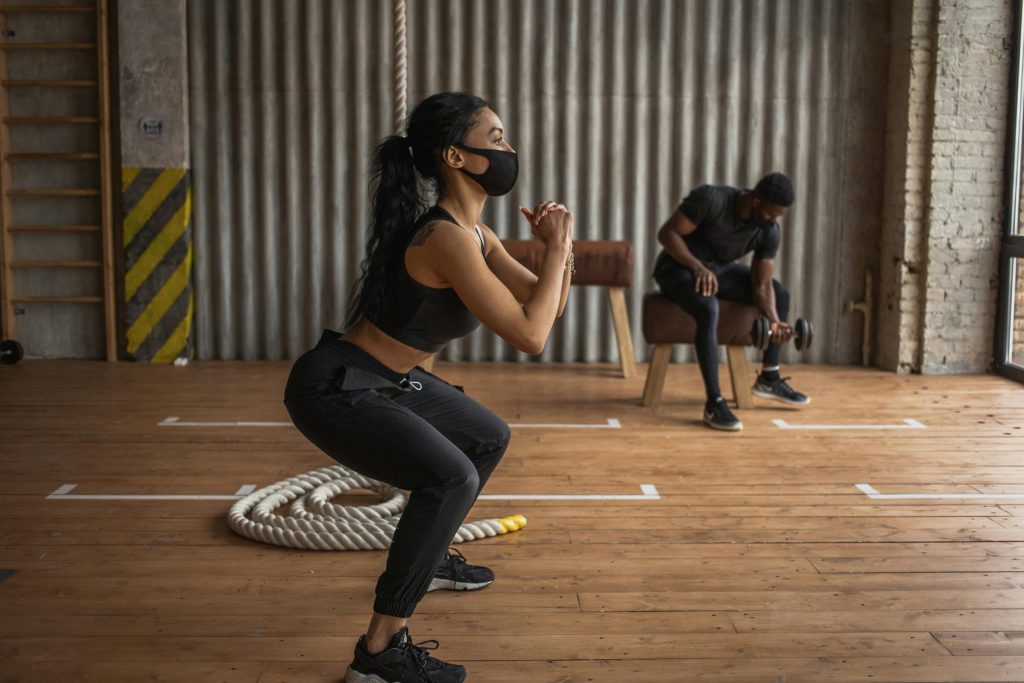
🧱 Beginner-Friendly Strength Training Plan
Here’s a sample 2-day full-body routine to get you going. Do these on non-consecutive days (e.g., Monday and Thursday):
Day 1: Full Body Strength (Bodyweight)
- Squats – 3 sets of 12 reps
- Push-ups (on knees or wall, if needed) – 3 sets of 8–10 reps
- Glute bridges – 3 sets of 15 reps
- Plank – 3 rounds of 20 seconds
- Superman hold (for your back) – 3 rounds of 15 seconds
Day 2: Full Body Strength (Resistance Bands or Light Weights)
- Resistance band rows – 3 sets of 12 reps
- Standing overhead press – 3 sets of 10 reps
- Step-ups (use stairs or a low chair) – 3 sets of 10 reps each leg
- Dead bug (core) – 3 sets of 10 slow reps
- Bicep curls – 3 sets of 12 reps
Add a 5-minute warm-up (marching in place, arm circles, bodyweight lunges) and a 5-minute cool-down stretch at the end.
This routine should be alright for your first couple weeks (total of 4 days) to get your body adjusted to being active. Once you’re accustomed, you can increase the number of days you train to 3 or 4 or you can break up how you train. For example: push, pull, legs, arms, chest, back, core, etc.
A training schedule that I like to follow is a 3 day program. One day is push day (chest, triceps, shoulders), another is pull day (biceps, back, traps), and the last is legs with some core work sprinkled in as a sort of “cool-down”. I like this program because each day is a different kind of movement and typically, the muscles they use don’t overlap.
Quick Recommendation: As long as you’re training with resistance, you can build strength. That’s the basic principle of strength training. But gyms and weights and all the big equipment get really expensive, really fast. They help tremendously, don’t get me wrong. But a lot of people can’t afford it, don’t have the space for it, or don’t have a lot of time on their hands to sacrifice.
That’s why I love using resistance bands like the HPYGN Resistance Band set. You get so much for so little that it genuinely feels like a steal. That set feels like a whole gym that you can fit in a bag. You can hit legs, chest, arms, shoulders, push, pull, and even core with it. Resistance bands are so versatile, you don’t need a lot of space to use them, they’re great for quick workouts, and the best part? They don’t cost a shit ton of money. (I made a whole article on the details of resistance bands. Check it out here if you’re interested.)
Wrap-Up: Strength Training = Strength for Life
Strength training isn’t just about muscles or aesthetics (though it’s definitely a benefit). It’s about feeling powerful, protecting your health, and building a body that can handle what life throws your way – whether that’s carrying a backpack, chasing your kids, or aging with grace.
If you’ve ever told yourself “I’m not strong” – that’s just where you’re starting. You don’t need to be a gym rat or lift hundreds of pounds. You just need to start small, stay consistent, and remember that every rep adds up. Strength is built one rep, one workout, and one day at a time.
Never give up and you’ll be unstoppable. You’ve got this.