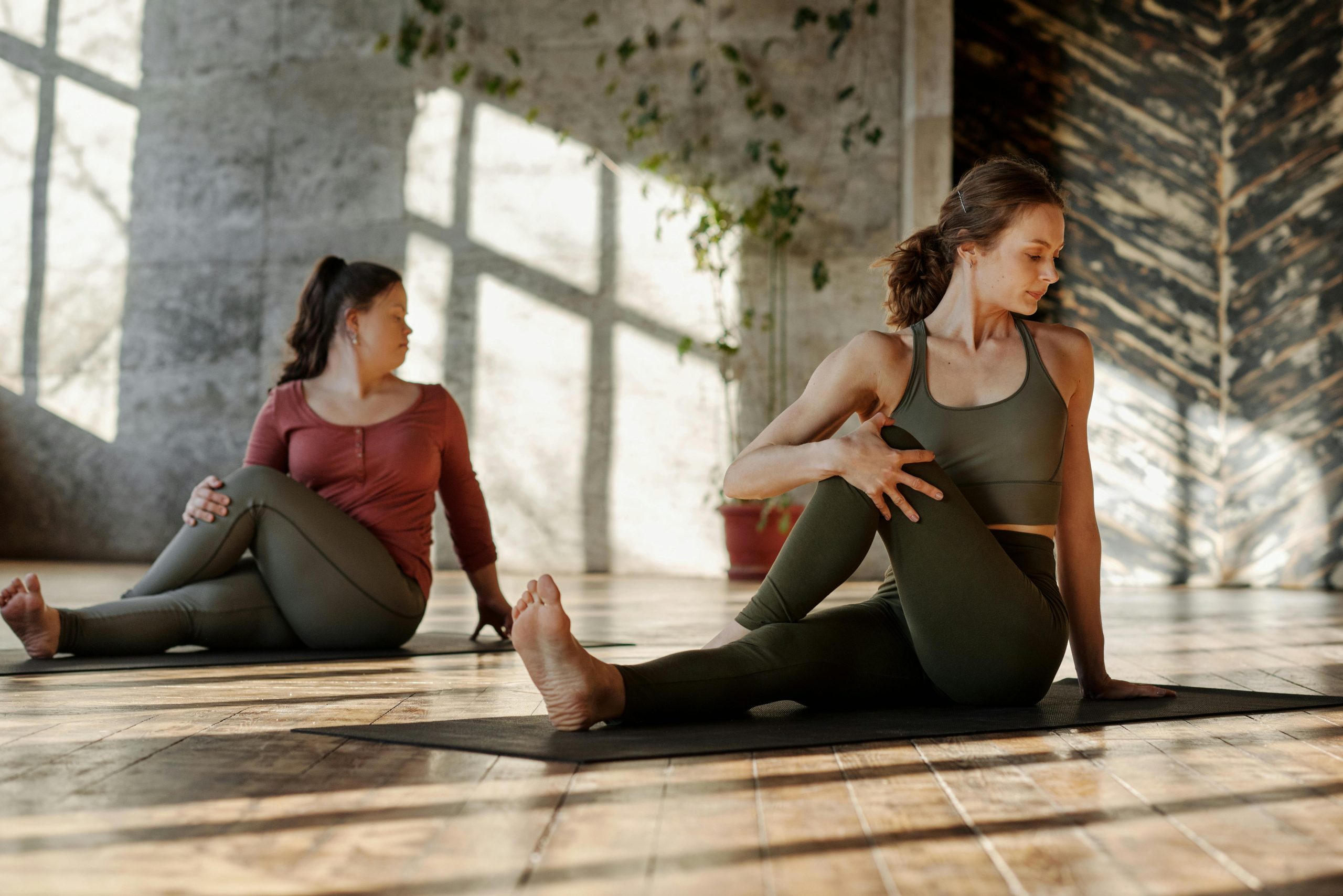
How a Simple Cool-Down Routine Boosts Your Fitness Results
After a killer workout, it’s tempting to skip the cool-down and head straight for the shower. But hold on a second – cooling down is just as important as warming up! A solid cool-down routine can improve recovery, prevent soreness, and even help you get stronger over time. Best of all, it doesn’t take long.
In this guide, we’ll walk you through everything you need to know about cooling down properly so you can maximize your fitness results.
Key Takeaways
- Cooling down helps lower your heart rate gradually, flush out lactic acid, and promote flexibility.
- A solid cool-down includes slow movement, deep breathing, stretching, and foam rolling.
- Benefits include reduced soreness, injury prevention, faster recovery, and improved flexibility.
- Common mistakes include skipping the cool-down, rushing through stretches, and neglecting breath control.
- Taking just 5-10 minutes for a proper cool-down can significantly improve your fitness results.
Quick Recommendation: When it comes to post-workout recovery, muscle soreness and overall bodily stiffness is one of the main concerns. There are a variety of tools that can help you out so if you were ever interested in looking into any, here’s a few of my recommendations:
– Posture Magic Massage Ball Set
– Hyperice Hypervolt 2 Percussion Massage Gun
– 321 STRONG Foam Roller
Why Cooling Down Matters
Your body goes through a lot during exercise. Your heart rate spikes, your muscles tighten, and lactic acid builds up. If you suddenly stop moving after an intense session, you risk dizziness, stiffness, and prolonged soreness.
A proper cool-down helps bring your heart rate back to normal gradually, flushes out waste products, and promotes flexibility – all of which are key for better recovery and long-term progress.
Step-by-Step Cool-Down Routine
A simple cool-down routine doesn’t have to be complicated. In fact, it only takes about 5 – 10 minutes to get the benefits. Here’s a step-by-step guide:
1. Slow Down Your Movement
Instead of stopping abruptly, reduce the intensity of your workout for a few minutes. If you were running, switch to a slow jog or walk. If you were lifting weights, do some bodyweight exercises like air squats or gentle mobility drills.
This helps gradually lower your heart rate and prevent blood from pooling in your legs, which can cause dizziness.
2. Deep Breathing and Relaxation
After slowing down, take a moment to focus on your breath. Inhale deeply through your nose, hold for a second, and exhale slowly through your mouth. Deep breathing helps activate your parasympathetic nervous system, which signals your body to relax and recover.
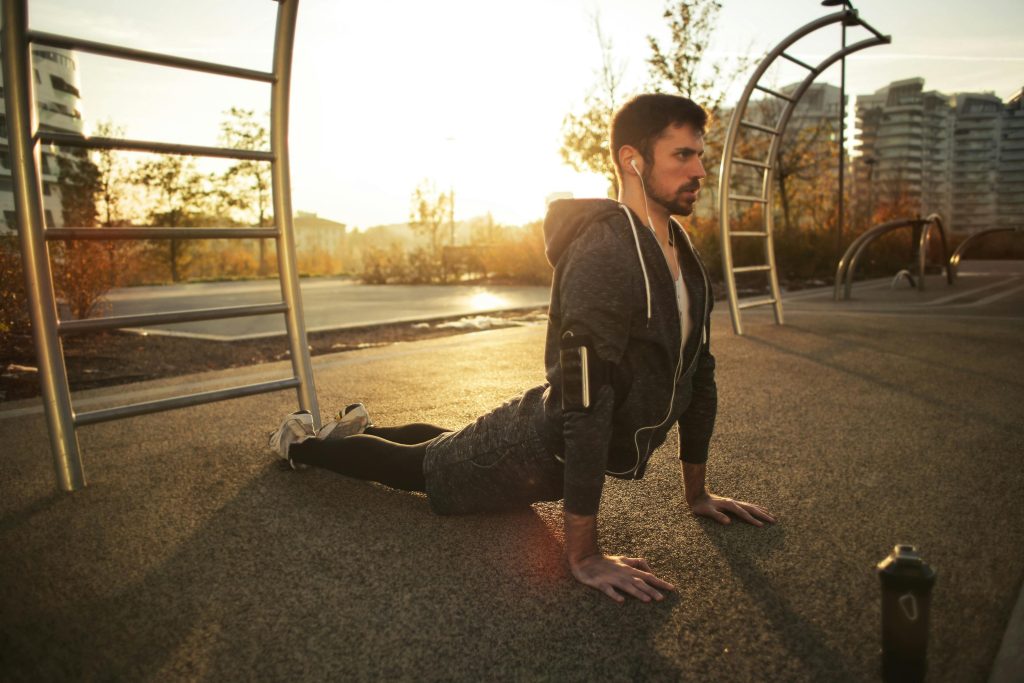
3. Stretch It Out
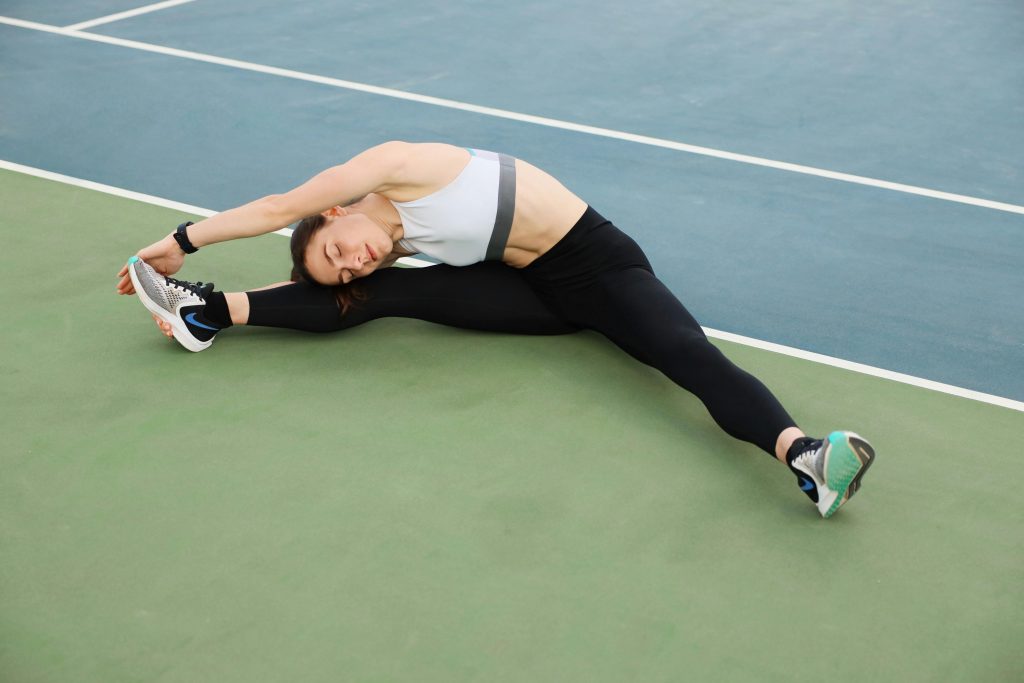
Static stretching is great after a workout because your muscles are warm and more pliable. Hold each stretch for at least 20-30 seconds without bouncing. Focus on major muscle groups like:
- Hamstrings – Touch your toes or do a standing leg stretch.
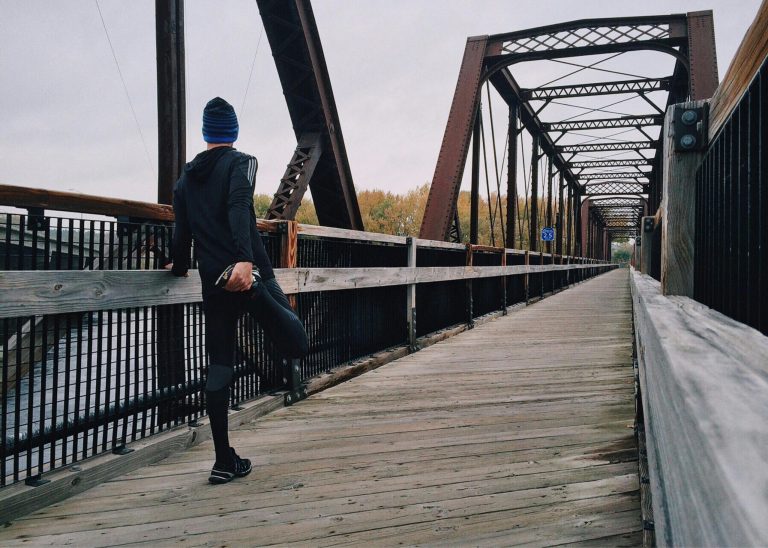
- Quads – Pull one foot towards your glutes while balancing on the other leg.
- Shoulders & Chest – Extend one arm across your body and hold.
- Back & Hips – Try a seated forward fold or a butterfly stretch.
4. Foam Rolling for Recovery
Foam rolling, or self-myofascial release, is an excellent way to reduce muscle tightness and improve blood circulation. Target sore areas like your calves, quads, hamstrings, and upper back. Roll slowly and pause on any tight spots for 20-30 seconds.
The Benefits of a Proper Cool-Down
Taking just a few minutes to cool down can have a significant impact on your overall fitness. Here’s what you stand to gain:
1. Reduces Muscle Soreness
Ever done a workout and been completely stiff the next day? This is partially due to the buildup of metabolic waste products, such as lactic acid, in your muscles.
A cool-down, especially one that includes slow movement and stretching, helps flush out these byproducts, which can minimize post-workout soreness. This means you’ll feel less stiff the next day and be ready for your next workout sooner.
Quick Recommendation: If you struggle with stiffness, feeling tight, or soreness, tools like massage guns can help relieve at least some of it. I recommend the Hyperice Hypervolt 2 massage gun as a solid option to consider. You can also get the Hyperice Hypervolt 2 Pro if you want something a little more advanced. The Hyperice Hypervolt Go 2 is both a cheaper alternative and is quite travel-friendly.
2. Prevents Dizziness, Blood Pooling, and Injury
When you exercise, your heart pumps blood much faster to provide oxygen and nutrients to your contracting muscles. If you suddenly stop, your heart rate drops suddenly, and blood can pool in your extremities, causing dizziness or even fainting.
Warming up avoids this sudden shift, permitting normal circulation as your body readjusts to its resting state.
Also, stretching and mobility work after exercise can improve flexibility and reduce the risk of strains or tears. The more limber you are, the better your body can handle physical stress.
3. Enhances Recovery
A gradual cool-down encourages enhanced circulation, enabling oxygen and nutrients to flow to fatigued muscles. This accelerates the repair process, so you’ll be less sore and ready to face your next workout earlier with optimal performance.
4. Improves Flexibility
When your muscles are already warm from exercising, they are more responsive to stretching and more flexible. This is the perfect time to establish flexibility and mobility, which can improve your range of motion over time and overall movement efficiency.
Plus, when you consistently practice over time, it can reduce the risk of injury and improve your athletic performance. Greater flexibility means better movement patterns and less likelihood of getting hurt.
5. Promotes Mental Relaxation
A good cool-down isn’t just for your body. It also helps calm your mind. Exercise elevates cortisol, the primary stress hormone of the body. A little stress is good, but prolonged high cortisol levels can result in fatigue, anxiety, and poor recovery.
A cool-down, especially one involving deep breathing and mindfulness, can make your body unwind, lowering cortisol and enhancing mental clarity. These gentle movements and deep breathing tell your body it’s time to relax, which can also help boost your mood.
Common Cool-Down Mistakes to Avoid
To get the most out of your cool-down, avoid these common mistakes:
Skipping It Entirely: With what you stand to gain from doing a cool-down, it doesn’t make all that much sense to skip it. Even just a few minutes can make a big difference.
Rushing Through Stretches: Quick stretches, like 5-10 seconds, don’t have any meaning to them because they don’t have much of an effect, if any. Hold each stretch for at least 20 seconds to be effective.
Not Focusing on Breath: Deep breathing helps speed up recovery, so keep how you breathe in check to maximize your efforts.
Ignoring Sore Areas: Foam rolling and targeted stretching can help relieve tightness before it becomes a bigger issue.
Conclusion
A simple cool-down routine can do wonders for your fitness results. It doesn’t take much time, but the benefits are huge. You’ll feel less sore, avoid injuries, and recover faster. Plus, your body won’t be complaining it’s strained and sore all over.
If you’re serious about fitness, don’t skip this step. Try these cool-down techniques after your next workout – trust that it’ll make a difference. By making cooling down a habit, you’ll set yourself up for long-term success in your fitness journey!