Gaining Pretzel-level Flexibility Could Be What You Need (Maybe)
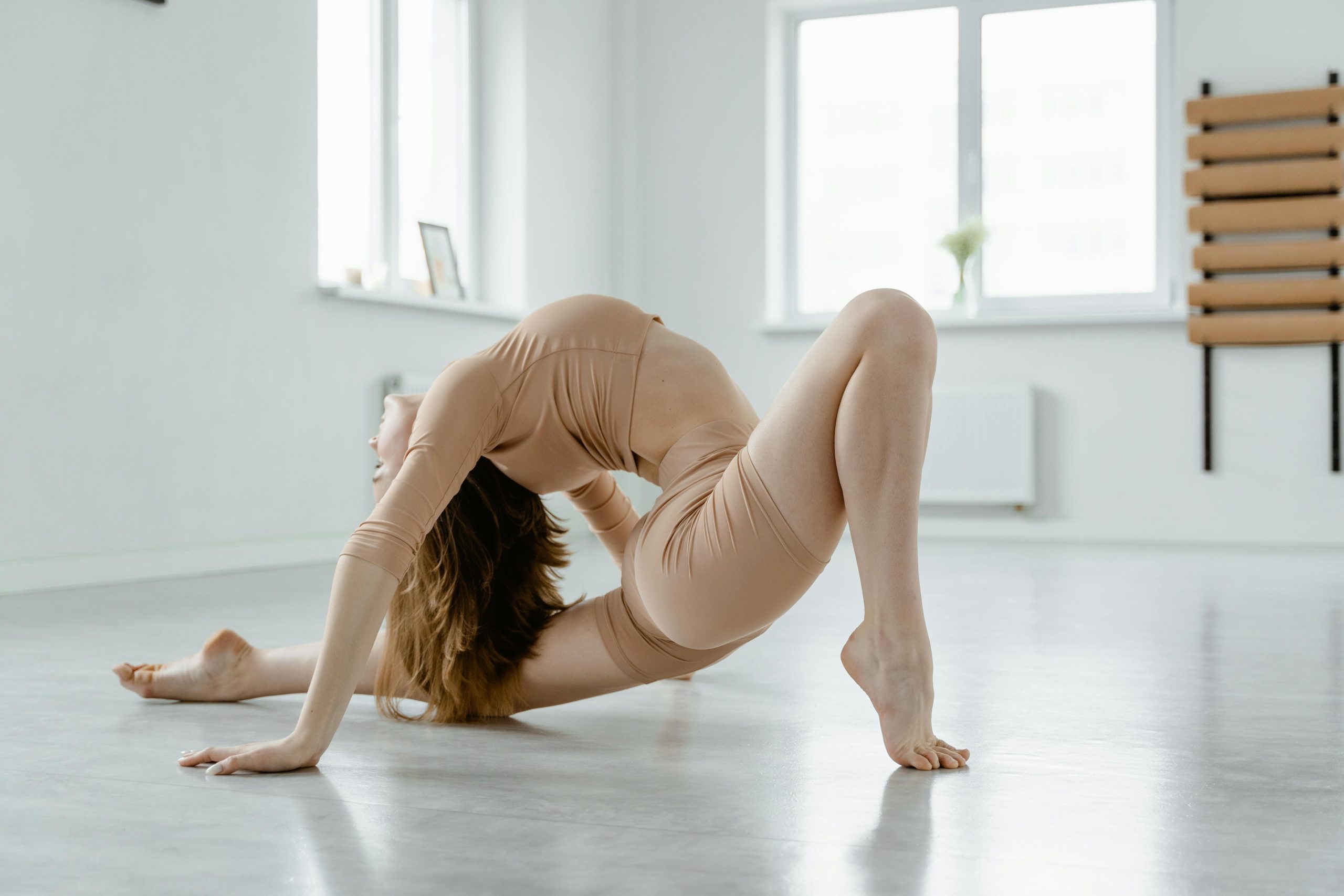
Ok, that title is a bit of a stretch but you’re probably asking “what? why?” or something similar. Well, enhancing your flexibility and mobility is extremely beneficial for many reasons and you do that just like improving your strength: through exercises. It’s not the typical lifting weights or treadmill and may not sound as appealing as six-pack abs or deadlifting twice your body weight but it deserves more attention. Especially if you don’t to be a stiff grandma/grandpa by the time you hit 40.
So let’s break down what mobility and flexibility actually are, why you should even improve them, and how to fit them into your routine – without turning into a full-time yogi (unless you want to. I’m not one to judge).
Key Takeaways
- Mobility = active movement, Flexibility = passive stretch. Both are necessary.
- Improves performance, reduces injuries, and helps with daily life movement.
- Downsides include time commitment and potential boredom – but small efforts add up.
- Start with 5-10 minutes a day; consistency matters more than intensity.
- Warm-ups, daily movement flows, and weekly stretch sessions are simple ways to build it in.
Quick Recommendation: Having good mobility and flexibility will definitely improve your day-to-day activities and make things so much easier. But training them can be interesting. A little extra resistance is needed for some things to reeeally get that stretch in.
The HPYGN Resistance Band set can help not only with getting that extra bit of resistance, but also with your strength training. You can do so many different workouts with the HPYGN Resistance Band set it’s honestly a cheat code with how inexpensive it is. There are many other kinds of resistance bands which can also help that I cover in my other article: Resistance Bands 101: A Simple Way to Get Stronger Anywhere.
Mobility vs. Flexibility: What’s the Difference, Anyway?
Though the two terms often get used interchangeably, they’re not the same. Understanding the difference helps you train smarter.
Flexibility
Flexibility is about how far a muscle can stretch. Think of being able to touch your toes, do the splits, or reach your arms behind your back. It’s passive. It’s your muscle’s ability to lengthen without necessarily needing strength or control.
Example: If you lie on your back and someone lifts your leg up straight, the range your hamstring allows is your flexibility.
Mobility
Mobility, on the other hand, is your ability to move actively through a range of motion. It combines flexibility, strength, and control. It’s more about joint function than just muscle length.
Example: Being able to squat deeply while keeping your heels on the ground, chest upright, and knees tracking properly. That’s mobility.
In short:
- Flexibility = Passive range.
- Mobility = Active, controlled movement.
So why does this matter? Well, you don’t just want to be bendy – you want to move better in everyday life and workouts. That’s where mobility comes in.
Why You Need Mobility AND Flexibility Training (Yes, Even If You’re Not an Athlete)
There’s no need to be gymnast or something to benefit from mobility or flexibility training. Whether you’re sitting at a desk all day, chasing kids around, or just trying to keep your body feeling good as you age, this stuff pays off big in the long run.
1. You’ll Move Better and Feel Better
Mobility and flexibility help your joints and muscles do their jobs. What they were made to do. Kinda like a well-oiled machine. That means:
- Less stiffness
- Fewer weird aches and pains
- Easier everyday movements (like bending down, reaching overhead, or turning around)
When your joints move better, your whole body works more efficiently.
2. It Improves Your Workout Performance
Can’t hit depth in your squats? Struggle to overhead press without arching your back? Tight hips or shoulders might be the reason. Improving mobility can help you:
- Lift with better form
- Reduce injury risk
- Get stronger safely
3. It Helps Prevent Injuries
Let’s be honest – getting sidelined by injuries is frustrating. Tight muscles and limited joint mobility can cause compensation patterns, which eventually lead to overuse injuries or strain. That’s why there’s so many knee and shoulder injuries in the world. There wasn’t enough training.
Common culprits:
- Tight hamstrings pulling on your lower back
- Poor ankle mobility affecting your squats and knees
- Limited shoulder movement causing impingement or rotator cuff issues
Add in mobility training, and your body becomes more resilient and your joints will thank you.
4. It Slows Down Aging (Really!)
Mobility naturally decreases as we age, but it doesn’t have to tank. A few minutes of consistent stretching and movement can help keep you feeling young. Think of it as oiling the joints before they get rusty.
Are There Downsides? Yes. But Everything Has Downsides
I’ll be real with you here: no type of training is perfect. In my previous 2 posts about cardio and strength training, there are definitely downsides to each of those. And so, mobility and flexibility work have their quirks.
1. It Takes Time
Progress isn’t immediate. You might need weeks or even months to see significant changes. But just like strength or cardio, consistency is key. Never forget that.
Tip: Start small – 5-10 minutes a day is enough to make progress.
2. It Can Be Boring (At First)
Stretching or doing controlled mobility drills doesn’t always feel exciting. You’re not dripping in sweat or smashing a PR. But your joints will thank you later.
But while you usually aren’t dripping sweat, I can say differently. When I first started my own mobility and flexibility training, I was sweating hard. It might’ve been the effort I put into it or that I was trying something a little too difficult for my state but you really shouldn’t be sweating a whole lot when it comes to this kind of training.
Tip: Make it enjoyable. Use music, follow along with YouTube videos, or do it while watching TV.
3. Not All Routines Fit Everyone
What works for someone else might not work for your body. You may need to adjust movements, especially if you have previous injuries or joint limitations.
Take me for example. I’m currently in the process of getting better at calisthenics exercises (using just your body weight in different ways) and one of the fundamentals I keep seeing is a full/deep squat. I can’t do a perfect one right now, but I’m increasing my hip and ankle mobility so that I can improve in calisthenics.
Tip: Listen to your body and modify as needed. There’s no gold medal for pushing through pain.

How to Start: Simple, Realistic Recommendations
You don’t need a fancy yoga mat, a personal trainer, or an hour-long routine. Here’s a beginner-friendly way to work mobility and flexibility into your week.
1. Daily “Mini Mobility” Sessions (5–10 Minutes)
Pick 2–3 areas you want to improve. Common focus areas:
- Hips (especially if you sit a lot)
- Shoulders (if you work at a desk or lift)
- Ankles (for better squats and running)
Sample daily mobility flow:
- World’s Greatest Stretch – 1 min per side
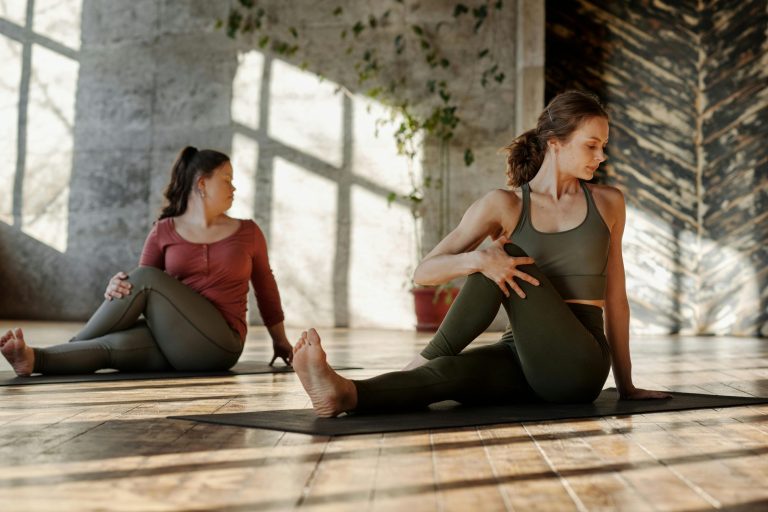
- 90/90 Hip Mobility – 30 sec per side (a few levels to this one. Do your research and do what’s right for you)
- Cat-Cow Stretch – 10 reps
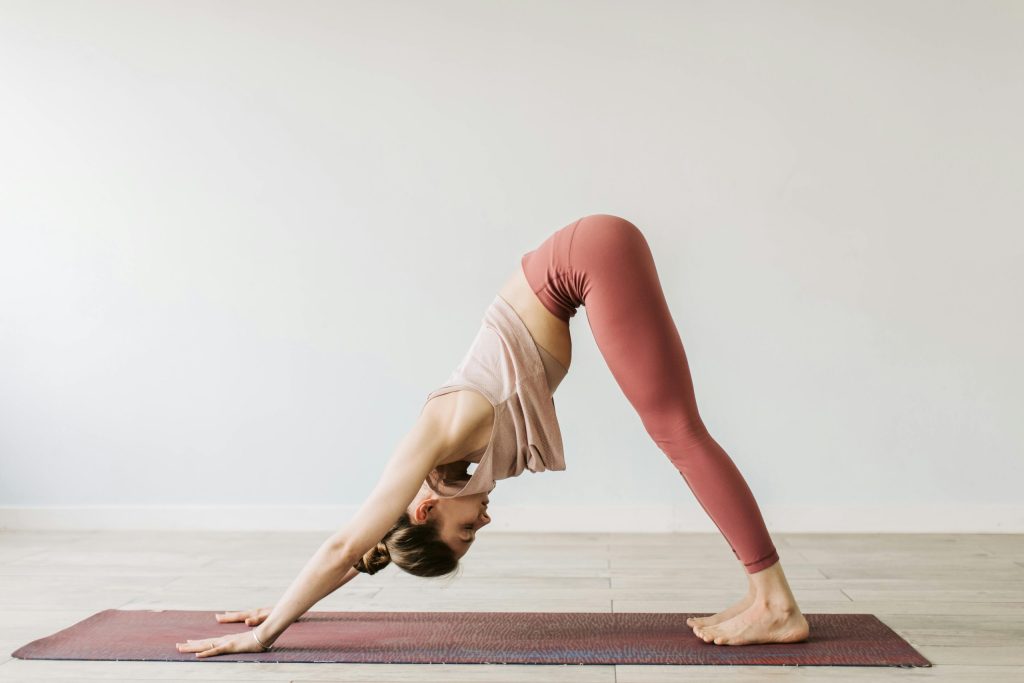
- Downward Dog to Cobra Flow – 5 reps
- Deep Bodyweight Squat Hold – 30-60 sec
2. Flexibility Work 2–3x Per Week (10–20 Minutes)
This is your time to stretch deeper, breathe, and relax.
Try:
- Hamstring stretch with strap or towel
- Pigeon pose for glutes and hips
- Chest opener against a wall
- Neck and upper back stretches (especially for desk workers)
Hold each stretch for 30-60 seconds and don’t bounce – ease into it and breathe deeply. Remember to stop or ease up when you feel real pain. Straining and stretching unused muscles feels tight and stiff but actual pain is different.
3. Warm Up with Mobility Before Workouts
Don’t just jump into lifting or running cold. Use a few mobility drills to prep your joints.
Example for leg day:
- Leg swings (front/back and side/side)
- Walking lunges with a twist
- Ankle circles
- Bodyweight squats
Just 5-7 minutes before a workout can boost performance and reduce injury risk. Trust me on this one. I didn’t like doing warmups either when I did track in high school. Mostly because I was a thrower (shot put, discus, etc.) and didn’t want to do anything but throw. But warmups will definitely help you.
Quick Recommendation: Even doing warm-ups before and cool-downs after, you’re still pushing your body’s limits and that means soreness will follow. Trust me when I say, I know soreness. The day after and day 2 soreness can get BAD. That’s why I wholeheartedly recommend getting a massage gun.
The Hyperice Hypervolt 2 is a solid overall option that will definitely help ease off some of that soreness. The Hyperice Hypervolt Go 2, however, is a cheaper option that’s more smaller and more travel-friendly.
Conclusion: Move Better, Live Better
While mobility and flexibility training isn’t common in fitness TikToks or gym videos on Instagram, they are absolute game-changers. Whether you want to lift more, feel better, or just tie your shoes without groaning – this is your secret weapon.
You don’t have to be perfect. You don’t need to become a yoga master or gymnast or get to the human pretzel level. But if you can give your body just 10 minutes a day, you’ll see a big payoff. Less pain, better workouts, smoother movement – it’s all within reach.
It’s never too late (or too early) to start moving better. So next time you’re tempted to skip the stretch or rush your warm-up, remember: future you will thank you for doing the slow stuff now.